

The first time I tasted real tzatziki sauce, I was standing in a tiny Athens taverna with sweat still drying on my neck from climbing the Acropolis. The waiter set down a bowl of something white and creamy that smelled like summer gardens and Mediterranean sunshine. I dragged warm pita through it and stopped mid-conversation. That cool, garlicky, cucumber-kissed tang was exactly what my body needed after that hike.
Back home in my Ohio kitchen, I spent three summers trying to recreate that moment. My early attempts were watery disasters or too harsh with raw garlic that burned my tongue. Then I discovered the secret of properly drained yogurt and patient cucumber prep. Now this sauce lives in my fridge from May through September, sometimes straight through fall if I am honest.
I serve it with everything now. Last week I spooned it over grilled chicken thighs. The week before, I used it as the creamy layer in my Greek salad sandwich that has become my lunch obsession. It transforms ordinary vegetables into something I actually crave.
Why Greek Yogurt and Cucumber Make This Sauce Sing
The foundation of any proper tzatziki sauce is thick, strained Greek yogurt. I learned the hard way that regular yogurt turns this into soup within hours. The cucumber matters just as much. English cucumbers work best because their seeds are small and their skin is tender. I grate mine on the large holes of a box grater, then squeeze the living daylights out of it with a clean kitchen towel. That step takes ninety seconds and saves you from watery disappointment later. Fresh dill is non-negotiable for me, though I know some Greek grandmothers who prefer mint. The garlic should be finely minced or pressed, never chopped chunky, so it distributes evenly through the creamy base. If you want another creamy sauce in your rotation, my honey mustard dipping sauce uses similar patience with its base ingredients.
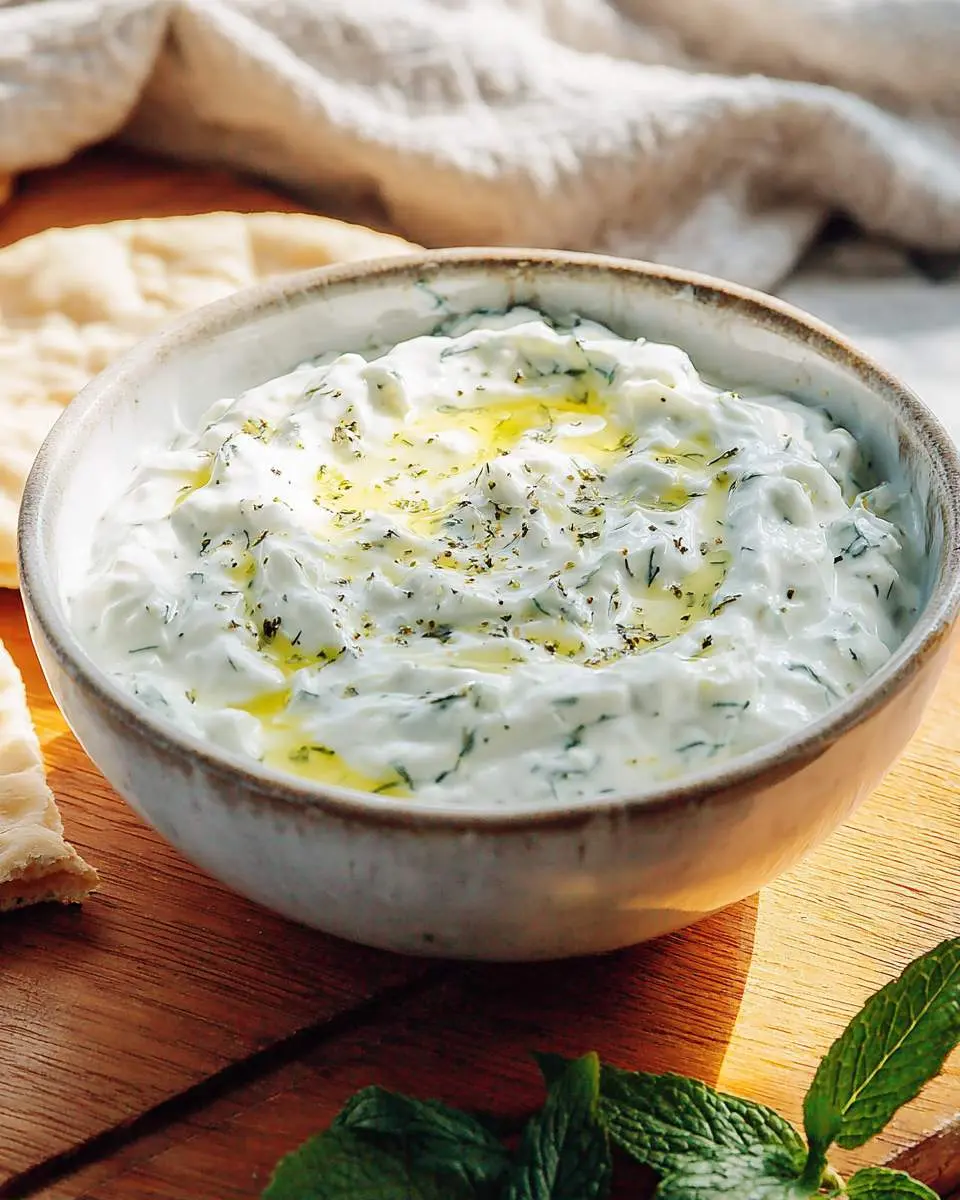
How to Make Tzatziki Sauce
I start by salting my grated cucumber and letting it weep in a colander for ten minutes. This is when I mince my garlic and chop my dill, moving slowly because the kitchen smells so good already. Then I squeeze that cucumber until my hands ache slightly, watching pale green water pool in the bowl below. The yogurt goes into a mixing bowl first, thick and luxurious. I fold in the cucumber, then the garlic, then the dill, watching the white turn flecked with green. The olive oil goes last, a thin stream that adds silkiness. I always taste with a finger at this stage, adjusting salt and lemon juice until something clicks. The sauce needs at least thirty minutes in the refrigerator, though overnight is where the magic happens. The garlic mellows, the flavors marry, and what was good becomes unforgettable. For another sauce that rewards patience, try my creamy cilantro garlic sauce that uses a similar resting technique.
What I Learned Making This Three Times in One Week
My first attempt at tzatziki sauce taught me that rushing the cucumber draining creates a puddle at the bottom of your bowl. The second taught me that too much garlic raw will overpower every other flavor. The third taught me that this sauce actually improves with age, something I rarely say about dairy-based recipes.
My Secret Trick: I save a tablespoon of the cucumber water before squeezing and add it back if my sauce seems too thick after chilling. It restores that fresh cucumber brightness without diluting the flavor.
Room temperature yogurt blends more smoothly than cold. I pull mine from the fridge twenty minutes before starting.
Fresh lemon juice matters more than I expected. The bottled stuff tastes flat and metallic against the creamy yogurt.
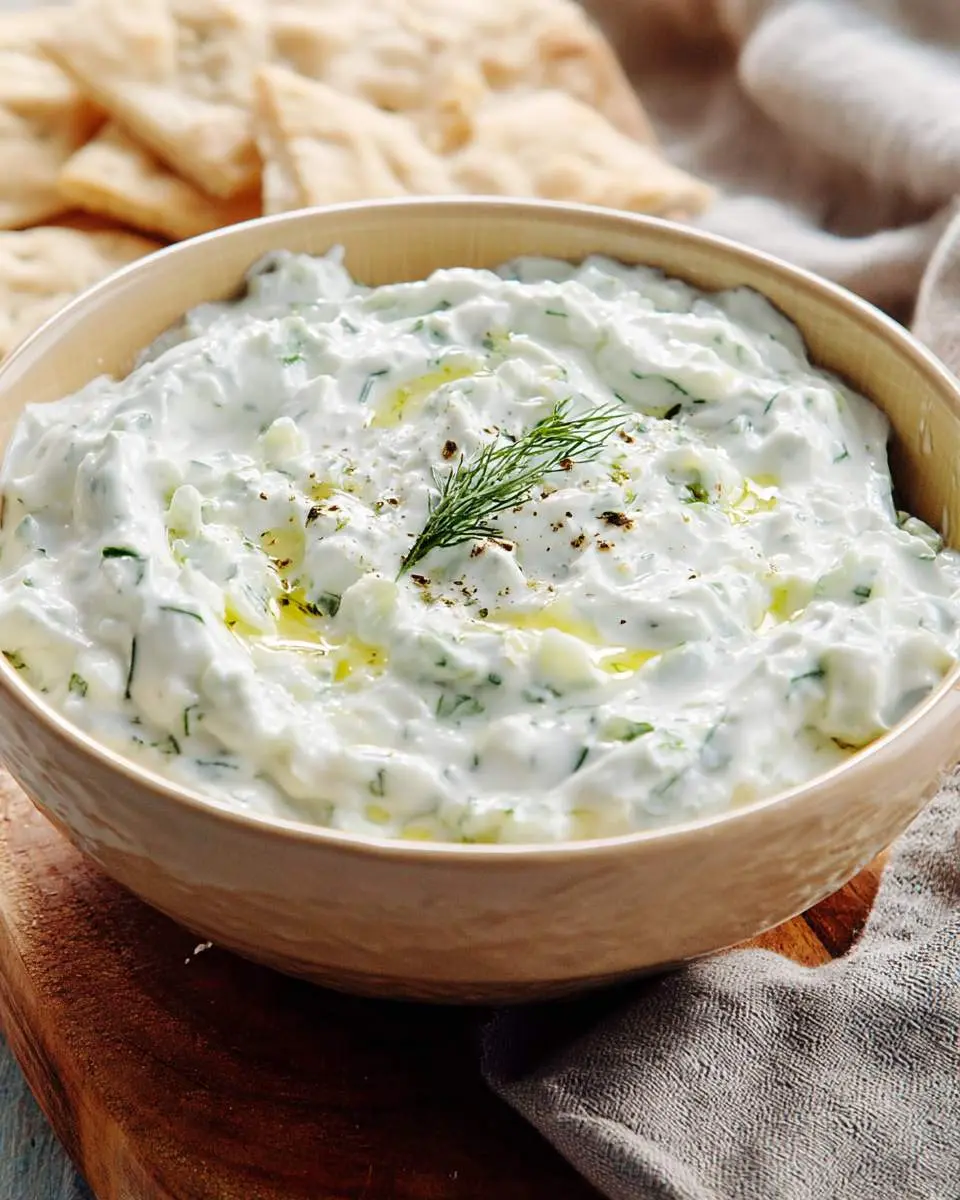
How to Store Tzatziki Sauce
- Refrigerate in an airtight glass container for up to 5 days. The flavor actually improves after 24 hours.
- Press plastic wrap directly onto the surface before sealing the lid to prevent a skin from forming.
- Do not freeze. The yogurt separates and becomes grainy upon thawing.
- Stir well before each use as the cucumber liquid may settle slightly.
- Store at 40 degrees Fahrenheit or below for food safety.
Why This Sauce Belongs in a Healthy Summer Rotation
Tzatziki sauce delivers serious protein from the Greek yogurt, about four grams per quarter cup serving, which keeps me satisfied when I use it as a dip for raw vegetables instead of chips. The cucumber adds hydration and a fresh crunch without many calories. I love that I can eat generously without the heaviness of cream-based dips. The garlic and dill bring their own natural benefits, but honestly, I make this because it makes healthy food taste like a treat rather than a chore.
FAQs
Can I use regular yogurt instead of Greek yogurt?
Regular yogurt contains too much water and will make your sauce runny within hours. If it is all you have, strain it through cheesecloth for at least four hours to remove excess liquid. The texture will still be softer than true Greek yogurt, but usable in a pinch.
Why does my tzatziki get watery in the refrigerator?
The cucumber continues to release moisture after mixing. This happens when you skip the salting and squeezing step, or when you use a cucumber variety with large watery seeds. Next time, salt the grated cucumber and squeeze firmly with a clean towel until no more liquid drips out.
How far in advance can I make this sauce?
You can prepare tzatziki up to three days ahead. The flavor actually improves after the first day as the garlic mellows and the herbs infuse the yogurt. Store it properly covered and give it a good stir before serving to reincorporate any separated liquid.
What is the best way to serve tzatziki sauce?
I love it as a dip for warm pita or crisp vegetables, but it truly shines as a sauce for grilled meats. Spoon it over chicken souvlaki, lamb burgers, or roasted potatoes. It also works beautifully as a spread for sandwiches, replacing mayonnaise with something far more interesting.
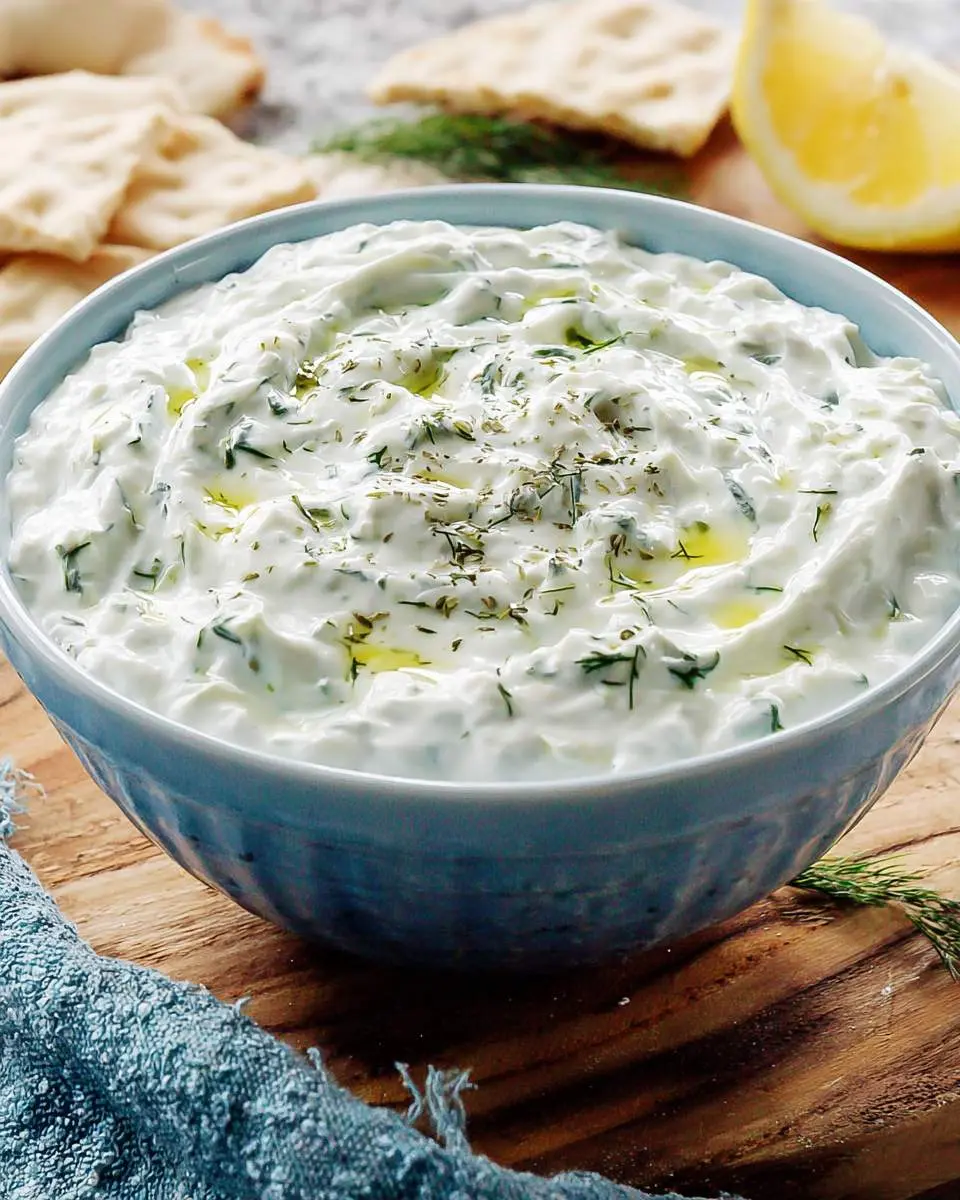

Tzatziki Sauce
Ingredients
Equipment
Method
Notes
Conclusion
This tzatziki sauce has earned permanent residency in my summer kitchen. It asks so little and gives so much. If you are ready to expand your sauce repertoire even further, my garlic aioli offers a richer, more indulgent companion to this light, fresh classic. Make both and let your mood decide.
Follow us on Social Media : Pinterest