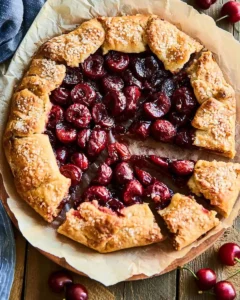

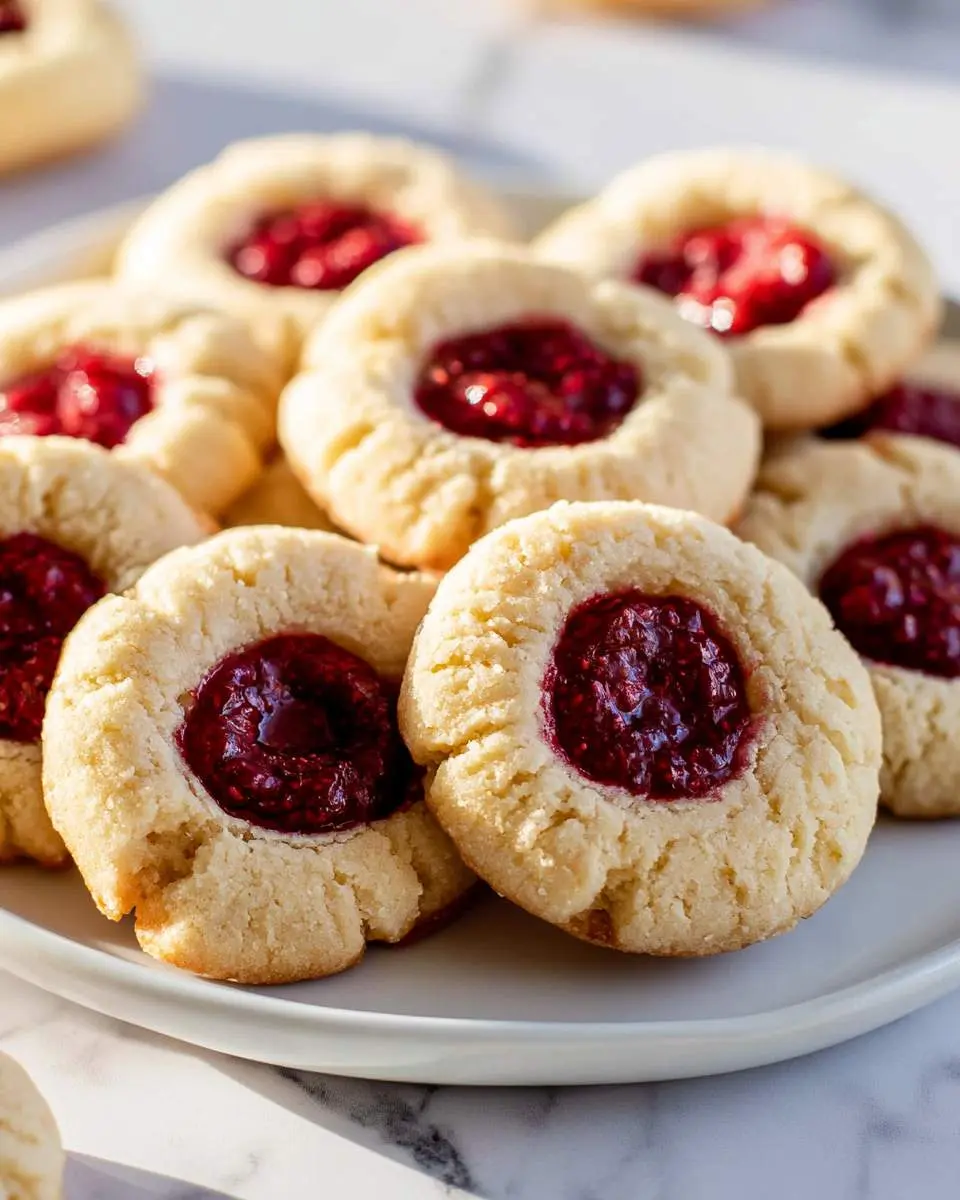
The first time I pressed my thumb into a warm ball of dough and watched it cradle a spoonful of ruby jam, I understood why some cookies feel like small miracles. That little pool of raspberry, bubbling slightly at the edges, turned a simple afternoon into something I still think about. These raspberry thumbprint cookies have that power. they look fancy enough for a gift box but come together with the kind of ease that makes you want to bake them on a Tuesday.
My grandmother never wrote her recipe down. She made them for bridge club, for neighbors who dropped by unannounced, for no reason at all. I spent three winters trying to recreate that exact texture: sandy at the edges, tender in the middle, with jam that stayed glossy instead of turning sticky. When I finally got it right, I sat at my kitchen table and ate four still warm from the oven, feeling like I’d solved something important.
This version is the one I make now when I want to slow down and remember her hands guiding mine. If you’re in the mood for something with a little more intrigue, fig and honey cookies carry that same old-world charm.
Why Butter and Almond Extract Make These Special
The dough for raspberry thumbprint cookies is deceptively simple, but two ingredients do the heavy lifting. European-style butter with its higher fat content creates that signature melt-in-your-mouth crumb. I’ve tried with standard butter and the difference is real, like comparing silk to cotton. A half teaspoon of almond extract doesn’t announce itself; it lingers in the background, making the raspberry taste more like raspberry somehow. I use seedless preserves because those little crunchers have no place in something this refined. For a variation with stone fruit, apricot jam thumbprint cookies follow the same method with a completely different mood.

How to Make Raspberry Thumbprint Cookies
I start by creaming butter and sugar until the mixture turns almost white and fluffy. this takes longer than you think, a full three minutes of patient beating. The egg yolk goes in next, then the almond extract, and finally the flour in two additions so the dough stays tender rather than tough. It needs a brief rest in the refrigerator, just twenty minutes, enough to firm up without becoming unworkable. Rolling the dough into balls feels meditative; I use a small cookie scoop for consistency, then roll each one between my palms until smooth and warm. The thumbprint itself is the moment of transformation. I press gently, rotating slightly, creating a neat well that will hold exactly one level teaspoon of jam. The cookies spread just enough in the oven to develop those delicate crackled edges while the jam bubbles and sets into something almost candied. I’ve learned to rotate the pan halfway through when the kitchen starts smelling like toasted butter and warm berries. If citrus calls to you, lemon thumbprint cookies use the same technique with a brighter finish.
What I Learned After Three Batches
Thumbprint cookies seem straightforward until they aren’t. Here is what actually matters.
Chill the shaped dough, not just the mixed dough. After forming the balls and making the thumbprints, I pop the entire tray into the freezer for ten minutes. This prevents the cookies from spreading too much and losing their pretty shape, which happened to my first batch that looked like flat pancakes with jam sliding off.
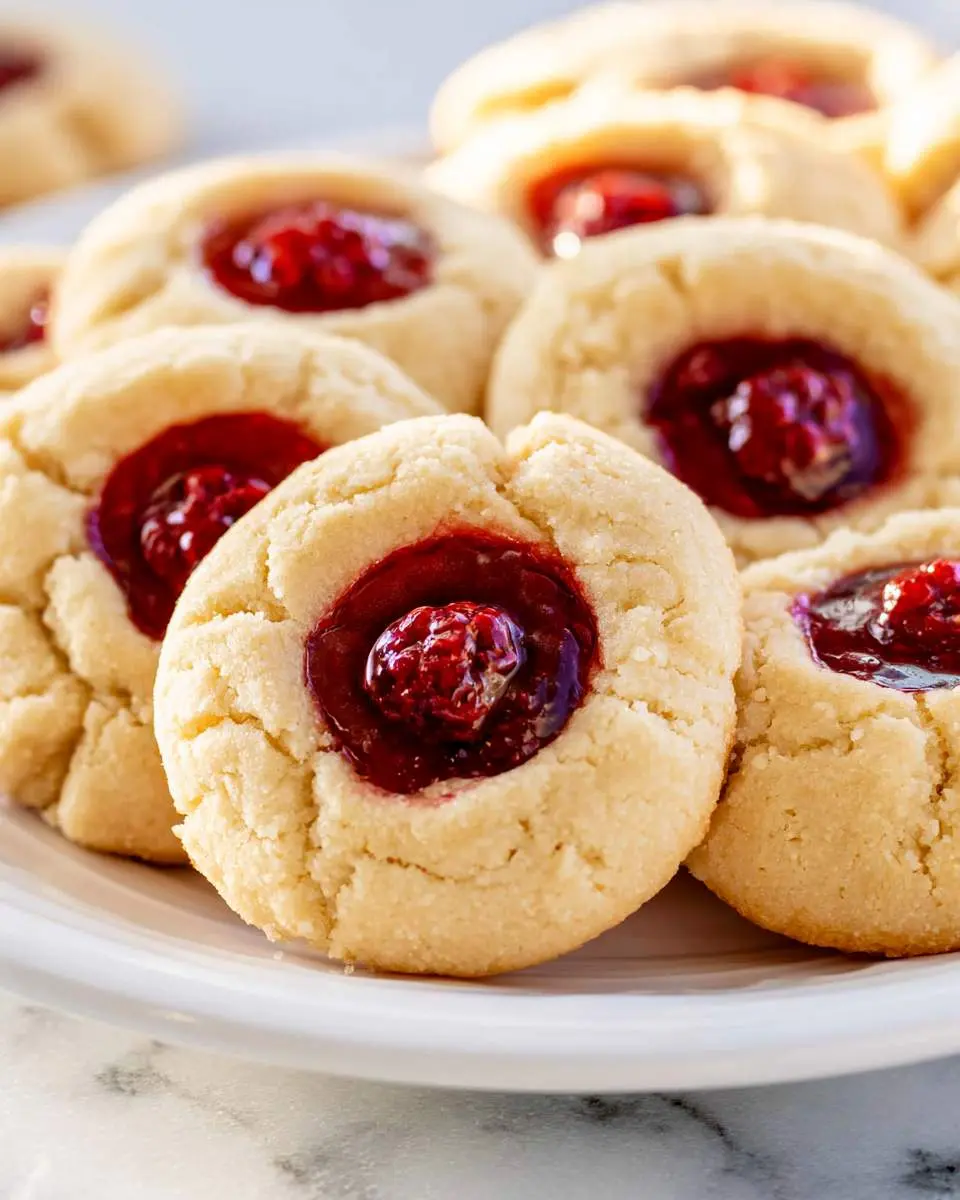
Fill the wells after baking, not before. I tried both ways. Pre-filling leads to jam that bubbles over and burns onto the pan, creating a sticky mess and uneven cookies. Filling the indentations immediately after they come out of the oven. when the dough is still soft. gives you clean edges and perfect jam distribution.
Use thick preserves, not runny jam. Raspberry thumbprint cookies need a filling that holds its shape. I look for preserves labeled “extra thick” or cook down regular jam for two minutes on the stove. Thin jam soaks into the cookie and disappears, leaving you with sad empty wells.
My Secret Trick: I dip my thumb in granulated sugar before making each indentation. It prevents sticking and creates the tiniest crystalline crust around the jam pool that catches the light beautifully.
How to Store Raspberry Thumbprint Cookies
- Room temperature: Stack in an airtight container with wax paper between layers for up to 5 days. The jam stays glossy and the cookies retain their texture.
- Refrigerator: Not recommended. The cold dries out the butter-rich dough and causes condensation that makes the jam weep.
- Freezer unbaked: Shape and thumbprint the dough, freeze solid on a tray, then transfer to a freezer bag for up to 3 months. Bake from frozen, adding 2-3 minutes to the time.
- Freezer baked: Cool completely, freeze in a single layer, then store in a container for up to 2 months. Thaw uncovered at room temperature for 2 hours.
- Reheating: A 5-minute warm-up in a 300°F oven restores that just-baked texture better than the microwave ever could.
Why These Feel Like a Small Indulgence
Raspberry thumbprint cookies manage to satisfy without overwhelming, and that balance comes down to real ingredients doing real work. The almonds in the extract and the natural fruit pectin in quality preserves mean you’re not just eating empty sweetness. A single cookie with afternoon coffee feels like a complete pleasure rather than a guilty one. I make these when I want something that respects my time and my taste buds equally.

FAQs
Can I use fresh raspberries instead of jam?
Fresh raspberries contain too much water and will make the cookie soggy while bleeding color into the dough. If you want a fresher taste, cook down fresh raspberries with a little sugar and cornstarch until thickened, then cool completely before using. This gives you that homemade flavor with the right consistency.
Why did my thumbprint cookies spread and lose their shape?
The butter was too warm when you started shaping, or the dough didn’t chill long enough. Even ten extra minutes in the refrigerator makes a difference. Also check your oven temperature with a thermometer. running hot causes premature spreading before the structure sets.
Can I make the dough ahead of time?
Absolutely. The dough keeps wrapped tightly in the refrigerator for up to 3 days. Let it sit at room temperature for about 15 minutes before shaping so your thumb doesn’t crack the cold dough. You can also freeze the mixed dough for up to 1 month and thaw overnight in the refrigerator.
What other fillings work in raspberry thumbprint cookies?
Lemon curd creates a beautiful contrast, as does dark chocolate ganache once the cookies have cooled. For nut lovers, a small spoonful of dulce de leche with a pecan half pressed on top transforms these into something entirely different. Just keep the filling thick so it stays where you put it.

Raspberry Thumbprint Cookies
Ingredients
Equipment
Method
Notes
Conclusion
These raspberry thumbprint cookies have become my signature bring-along, the ones people request by name. They remind me that the best recipes don’t need to be complicated. just intentional, made with attention to small details that add up to something memorable. For another berry-forward treat, white chocolate raspberry cookies offer a completely different texture with the same fruit I love.
Follow us on Social Media : Pinterest