
The first time I cracked open a jar of Biscoff spread, I stood in my kitchen with a spoon and zero self-control. That caramelized cookie butter flavor stopped me in my tracks, and I knew immediately it needed to become something bigger. A Biscoff cake was born from that single greedy moment.
My grandmother kept speculoos cookies in a tin on her counter every December. I never knew they had a name beyond “those brown cookies from Belgium,” but that warm spice blend of cinnamon, brown sugar, and something I couldn’t identify stuck with me for decades. When I finally connected those childhood memories to the spread sitting in my pantry, this cake felt inevitable.
This is the kind of dessert that makes people close their eyes on the first bite. If you are craving something tropical and bright, my Hawaiian guava cake hits that same nostalgic sweet spot.
The Ingredients That Make This Cake Sing
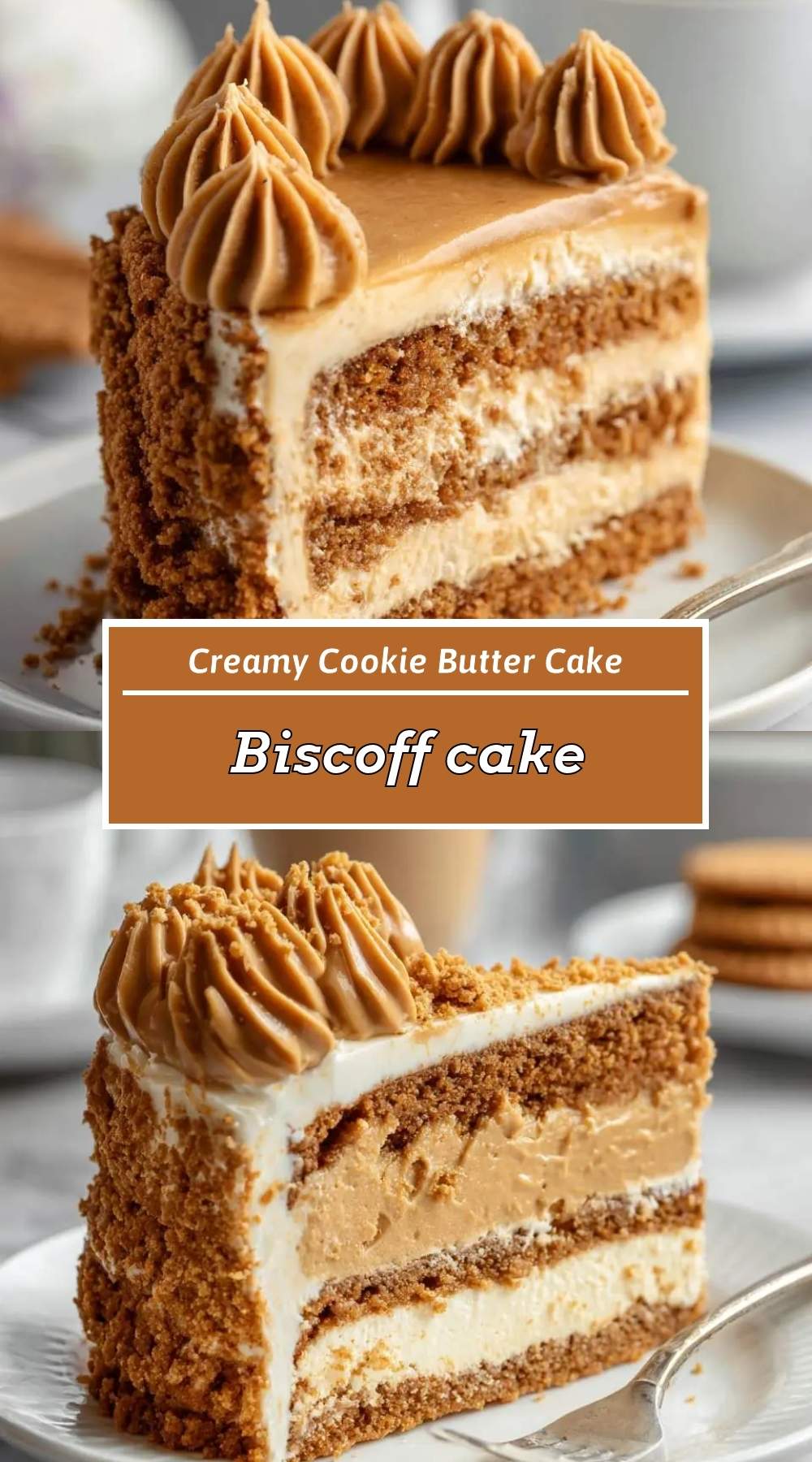
The Biscoff spread does double duty here, sweetening the batter and creating that signature swirl throughout each slice. Brown butter amplifies the caramel notes in a way plain butter simply cannot, and a touch of sour cream keeps the crumb tender even after days in the fridge. I learned the hard way that cheap cookie butter separates oddly when baked, so I stick to the real Lotus Biscoff brand for this Biscoff cake. For another dessert that relies on a single standout ingredient, my ube tres leches cake taught me that quality sourcing matters.

How to Make Biscoff cake
I start by browning the butter until it smells like toasted hazelnuts and looks like liquid amber, then let it cool slightly so it does not scramble the eggs. The batter comes together in one bowl, thick and fragrant with brown sugar and vanilla, and I fold in generous dollops of cookie butter without fully incorporating them. Those streaks become pockets of pure flavor after baking. The oven fills with the smell of caramel and spice, and I know it is done when the center springs back and a tester comes out with just a few moist crumbs. A simple glaze of more Biscoff spread thinned with cream gets poured over while the cake is still slightly warm, creating that crackly top layer everyone fights over. If you enjoy desserts with sauce that soaks into every bite, my bananas foster poke cake with caramel sauce uses a similar technique.
What I Learned Making This Three Times
Room temperature eggs matter more here than in most cakes because the batter is so dense. Cold eggs cause the brown butter to seize slightly, leaving you with a grainy texture that no amount of mixing fixes.
Do not over-swirl the cookie butter. I made this mistake on my second attempt, creating a uniform tan cake that tasted good but lacked those dramatic ribbons. Three or four figure-eight motions with a knife is plenty.
The glaze needs to go on while the cake is warm but not hot. Too hot and it slides right off onto the plate. Too cool and it sits on top like frosting rather than soaking in slightly.
My Secret Trick: I crush a handful of actual Biscoff cookies and press them into the glaze while it is still tacky, creating a crunchy lid that shatters when you cut into the soft cake below. This Biscoff cake goes from good to unforgettable with that single addition.

How to Store Biscoff cake
- Room temperature in an airtight container for up to 2 days, though the glaze stays prettier if refrigerated
- Refrigerate for up to 5 days, wrapped well to prevent the cake from absorbing other flavors
- Freeze individual slices wrapped in plastic then foil for up to 2 months, thawing overnight in the refrigerator
- Reheat briefly in a 300 degree oven for 10 minutes to restore that fresh-baked warmth, or enjoy cold straight from the fridge
Why This Cake Works for Any Occasion
The brown butter provides a small dose of fat-soluble vitamins, and the moderate portion of sour cream adds a touch of protein and calcium without weighing the cake down. More importantly, this Biscoff cake satisfies deeply with smaller slices because the flavors are so concentrated, meaning you feel content without overindulging.
FAQs
Can I use regular peanut butter instead of Biscoff spread?
Peanut butter works structurally but creates an entirely different dessert. The flavor profile shifts from caramel-spice to nutty-savory, and the texture becomes denser. If you love peanut butter cakes, go for it, but this will not taste like the original.
Why did my cookie butter sink to the bottom?
The batter was too thin or the cookie butter was warmed. Both need to be at similar temperatures, around room temperature, for proper swirling. Chilling the dolloped cookie butter for 10 minutes before adding helps it stay suspended.
Can I make this in a Bundt pan?
Yes, but increase the baking time to 50-55 minutes and grease the pan extremely well. The glaze works better as a pour-over on a Bundt than the original drizzle technique.
Is this cake very sweet?
The brown butter and tangy sour cream balance the sweetness surprisingly well. It tastes sweeter than a vanilla cake but less sweet than a typical frosted layer cake, landing in that perfect middle zone where you want a second slice.


Biscoff Cake
Ingredients
Equipment
Method
Notes
Conclusion
This Biscoff cake has become my signature bring-along for potlucks and my comfort bake for hard weeks. The way people’s faces light up at that first bite never gets old. For another crowd-pleaser that celebrates seasonal fruit, my brown sugar peach cake has that same magic.
Follow us on Social Media : Pinterest