
The first time I smelled yakisoba sauce hitting a hot wok, I was standing in a tiny kitchen in Osaka, watching a street vendor work magic with noodles and scraps of leftover chicken. That caramelized, slightly sweet aroma stuck with me for years. When I finally attempted chicken yakisoba at home, I realized this dish is less about perfection and more about that beautiful controlled chaos of high heat and quick hands.
My grandmother never made Asian food, but she taught me that the best meals come from using what you have. Last Tuesday, I found myself with half a cabbage, some sad-looking carrots, and chicken thighs that needed saving. Thirty minutes later, my kitchen smelled like that Osaka street corner, and my kids were fighting over the last noodles in the pan.
This recipe has become my weeknight salvation when I want something that feels special without the fuss. If you are looking for more easy chicken dinners, I have been loving these baked chicken leg quarters lately too.
The Pantry Staples That Make This Sauce Sing
What separates good yakisoba from great yakisoba lives in three bottles: Worcestershire sauce for depth, oyster sauce for that irresistible savory backbone, and ketchup, which sounds strange until you taste the subtle sweetness it brings. I use boneless chicken thighs because they stay tender even when you blast them over high heat, and fresh yakisoba noodles from the refrigerated section of my Asian market, though dried ramen works in a pinch. The cabbage is non-negotiable for me, it wilts into silky ribbons that soak up every drop of sauce. For another chicken dish that celebrates mushrooms in a completely different way, check out this chicken and tarragon with morel mushrooms recipe I discovered last spring.

How to Make Chicken Yakisoba
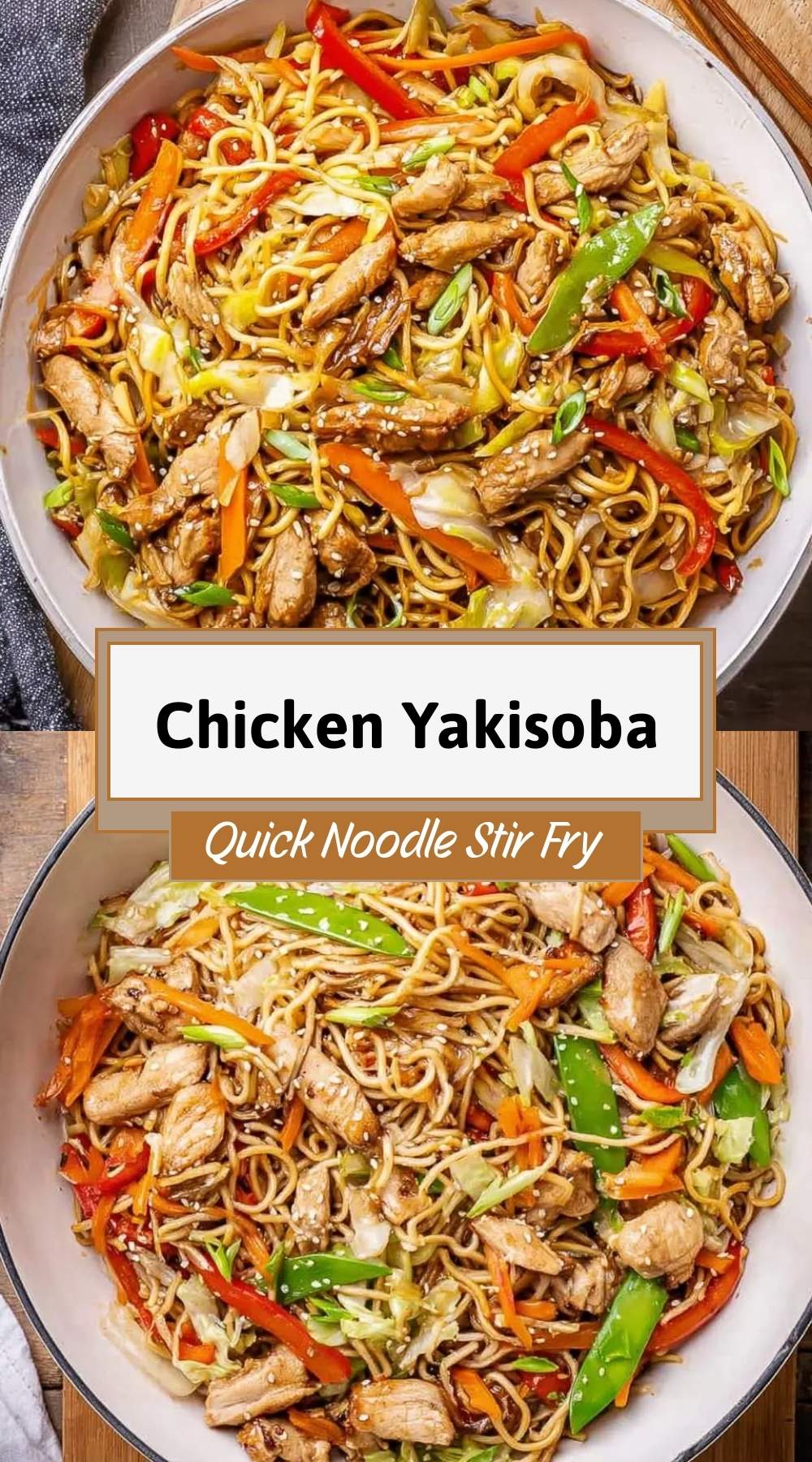
The rhythm of this dish matters more than exact timing. I start by whisking the sauce together so it is ready when the wok screams for it. The chicken hits first, sizzling hard until it develops those golden edges that mean flavor. Out it comes, then vegetables in order of hardness, carrots and onions first, cabbage last so it keeps some crunch. The noodles go in cold, straight from the package, and here is where you need confidence, toss aggressively, let them char slightly against the hot metal. The sauce pools and thickens almost instantly, coating everything in that glossy brown sheen. The whole thing takes maybe twelve minutes of active cooking, but you cannot walk away. The smoke alarm might protest, but that slight char on the noodles is exactly what you want. If noodle dishes are your thing, my chicken chow mein uses a similar technique with a completely different flavor profile.
What I Learned From Three Failed Attempts
My first try was a soggy mess because I crowded the pan, everything steamed instead of seared. Now I cook in batches without apology, better to have components warm on a plate than limp in the wok. The second disaster came from adding sauce too early, it burned before the noodles even touched heat. Patience here pays off. Third mistake was using the wrong noodles, Italian pasta does not belong here, the texture is completely wrong. My Secret Trick: I now splash a tablespoon of pasta cooking water into my sauce, the starch helps it cling to every strand instead of pooling in the bottom of the bowl. This one small change transformed my chicken yakisoba from good to the kind of dish people request by name.

How to Store Chicken Yakisoba
- Refrigerate in airtight containers for up to 3 days, the noodles will soften but reheat surprisingly well
- Freeze portions flat in freezer bags for up to 2 months, though the cabbage texture suffers slightly
- Reheat in a hot skillet with a splash of water, not the microwave, which turns everything rubbery
- Store sauce separately if making ahead, combine just before serving for best texture
Why This Recipe Earns a Weekly Spot in My Rotation
Between the lean protein from chicken thighs and the mountain of vegetables packed into every serving, this dish delivers serious nutrition without feeling like health food. The cabbage alone provides more vitamin C than you might expect, and because the cooking time is so brief, those nutrients actually survive the heat. I can feed four hungry people for under fifteen dollars, which matters more than it used to. Chicken yakisoba proves that fast food does not have to mean compromise.
FAQs
Can I use chicken breast instead of thighs?
Yes, but slice them thin and watch carefully. Breast meat dries out faster over high heat, so pull it from the wok the moment it loses its pink center. I prefer thighs for their forgiveness and richer flavor, but either works with attention.
What noodles work if I cannot find yakisoba?
Fresh Chinese egg noodles from the refrigerated section are my first substitute. Dried ramen noodles, not the instant packet kind, work if you boil them slightly underdone. Avoid rice noodles, they turn gummy with this sauce.
Is yakisoba sauce the same as teriyaki?
Not at all. Yakisoba sauce is tangier, more complex, with Worcestershire depth and subtle sweetness. Teriyaki is simpler, sweeter, glossier. They are not interchangeable, though both are delicious on chicken.
How do I prevent my noodles from clumping?
Toss constantly once they hit the wok, and do not be gentle. The aggressive movement separates strands and encourages that slight char that defines great yakisoba. A pair of long chopsticks works better than a spatula for this.


Chicken Yakisoba
Ingredients
Equipment
Method
Notes
Conclusion
This chicken yakisoba has rescued more weeknights than I can count. It demands your full attention for twelve minutes, then rewards you with something that tastes like far more effort than it took. Make it once, and you will understand why I keep those three sauce bottles permanently stocked. For another family favorite with a completely different vibe, try my sesame chicken recipe next.
Follow us on Social Media : Pinterest