The first time I tasted that pale, creamy sauce at a hibachi grill, I stopped mid-chew. It was tangy and rich, with something almost fruity hiding behind the garlic. I spent years asking servers what it was, getting shrugs and smiles, before I finally cracked the code myself. That obsession led me straight to perfecting my own Japanese Steakhouse White Sauce at home.
My breakthrough came during a rainy Tuesday when I was determined to recreate our anniversary dinner without the reservation. I had shrimp sizzling on my cast iron, rice steaming nearby, and a blender full of mysterious white ingredients. When my husband walked in and said the kitchen smelled exactly like our favorite restaurant, I knew I was close.
Now this sauce lives permanently in my fridge door. I drizzle it on grilled chicken, use it as a dip for vegetables, and once even stirred it into mashed potatoes on a desperate weeknight. If you are craving more bold condiment ideas, my strawberry jalapeno salsa brings that same sweet-heat magic to tacos and chips.
The Mayo and Tomato Paste Balance That Makes This Sauce Sing
The foundation here is mayonnaise, but not just any jar from the back of your fridge. I reach for Kewpie when I can find it, that Japanese mayo with the baby on the bottle, because its eggy richness and subtle sweetness create the perfect canvas. The real secret weapon, though, is tomato paste. Just a spoonful transforms the entire profile, adding depth and that faint umami sweetness you cannot quite name but definitely miss if you skip it. Rice vinegar cuts through the fat with clean brightness, while a touch of sugar rounds everything out without making it sweet. If you enjoy building layered flavors in your sauces, my fire-roasted salsa uses similar principles of balancing acid, heat, and smoke.

How to Make Japanese Steakhouse White Sauce
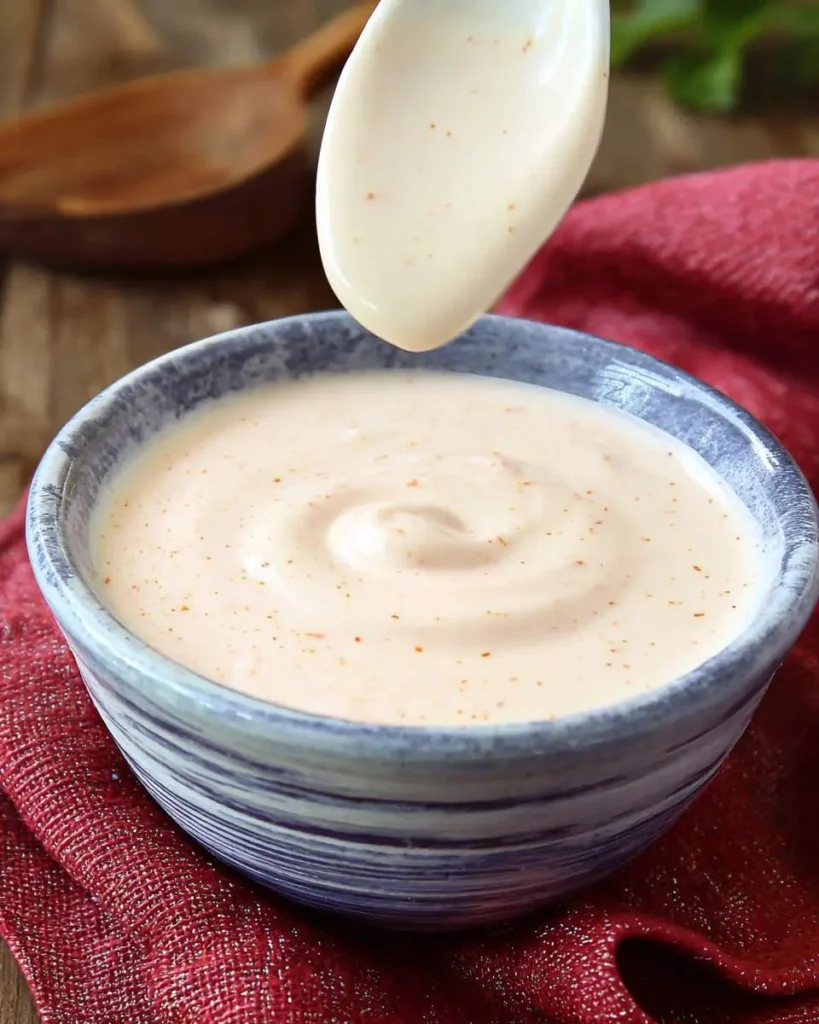
I start by pressing fresh garlic through my rasp grater until it becomes a paste that practically melts into the mixture. The smell hits immediately, sharp and alive. Into the blender goes the mayo, that vibrant tomato paste, the garlic, rice vinegar, a pinch of sugar, and a splash of water to loosen everything. I blend on high for a full minute, watching the color shift from streaky pink-tinged white to a smooth, pale ivory. The sound changes too, from chunky splashing to a steady, creamy whir that tells me the emulsion has formed. I stop and taste, always needing a tiny adjustment, maybe more vinegar for brightness or another drop of water for pourability. The sauce should coat the back of a spoon but still drip slowly. I pour it into a mason jar and let it rest in the refrigerator for at least an hour, though overnight is where the magic really happens. The flavors marry and deepen, and that harsh garlic edge softens into something almost sweet. For another creamy blender sauce that transforms simple proteins, my creamy garlic sauce uses a similar technique with stunning results.
What I Learned After Making This Five Times in One Month
Fresh garlic matters more than you think. Pre-minced jarred garlic carries a harsh, almost chemical bitterness that no amount of resting will fix. I grate mine fresh every single time now. The resting period is non-negotiable. I have tasted this sauce immediately after blending and again after twenty-four hours, and they barely resemble each other. Patience transforms it from good to unforgettable. Water content controls everything. Too thick and it sits heavy on the palate; too thin and it slides right off your food. I add the final splash while watching the consistency, not measuring. My Secret Trick: I save a tablespoon of the sauce before adding water, then use that concentrated version as a sandwich spread. It is thick enough to stay put and intense enough that a little goes a long way.

How to Store Japanese Steakhouse White Sauce
- Refrigerate in an airtight glass jar or container for up to 7 days
- Keep at 40°F or below, stored in the main body of the refrigerator not the door for most stable temperature
- Stir before each use as separation is natural and expected
- Freezing is not recommended as the emulsion breaks and becomes grainy upon thawing
- If sauce thickens too much in cold storage, let sit at room temperature for 10 minutes and stir vigorously
Why This Sauce Belongs in Your Weekly Rotation
Japanese Steakhouse White Sauce delivers serious flavor without demanding much from you. The rice vinegar aids digestion and adds brightness without extra calories, while the tomato paste contributes lycopene and that satisfying savory depth that keeps you coming back for more. It transforms plain grilled protein into something that feels special, which means I cook at home more often and spend less on takeout. That is a win I feel good about every single week.

FAQs
Can I use regular mayonnaise instead of Kewpie?
Yes, absolutely. Standard American mayonnaise works fine, though the result will be slightly tangier and less sweet. If using regular mayo, I reduce the rice vinegar by half a teaspoon and add an extra pinch of sugar to compensate for the missing subtle sweetness that Kewpie provides.
Why did my sauce turn out pink instead of white?
Too much tomato paste is the usual culprit. Start with the smaller amount specified, blend, and assess the color before adding more. The sauce should be pale ivory with only the faintest blush. Remember that tomato paste intensity varies by brand, so adjust visually rather than strictly by measurement.
How can I make this sauce spicier?
Add a quarter teaspoon of cayenne pepper or a few drops of your favorite hot sauce during blending. I have also stirred in sriracha with excellent results, though it shifts the color toward orange. For a different kind of heat, try a small amount of wasabi paste, which keeps the color pale while adding serious sinus-clearing punch.
Is this the same as yum yum sauce?
Essentially yes, though regional variations exist across American Japanese steakhouses. Some versions include paprika for color or melted butter for richness. My Japanese Steakhouse White Sauce focuses on the clean, tangy, slightly sweet profile I fell in love with at my local hibachi spot, without unnecessary additions that muddy the flavor.


Japanese Steakhouse White Sauce
Ingredients
Equipment
Method
Notes
Conclusion
This sauce changed how I cook at home. It takes minutes to make, lasts all week, and makes everything it touches taste like a celebration. Once you taste the difference fresh garlic and proper resting make, you will never settle for store-bought again. If you are ready to master another from-scratch staple, my homemade mayonnaise is the perfect next project, and it makes this sauce even better.
Follow us on Social Media : Pinterest