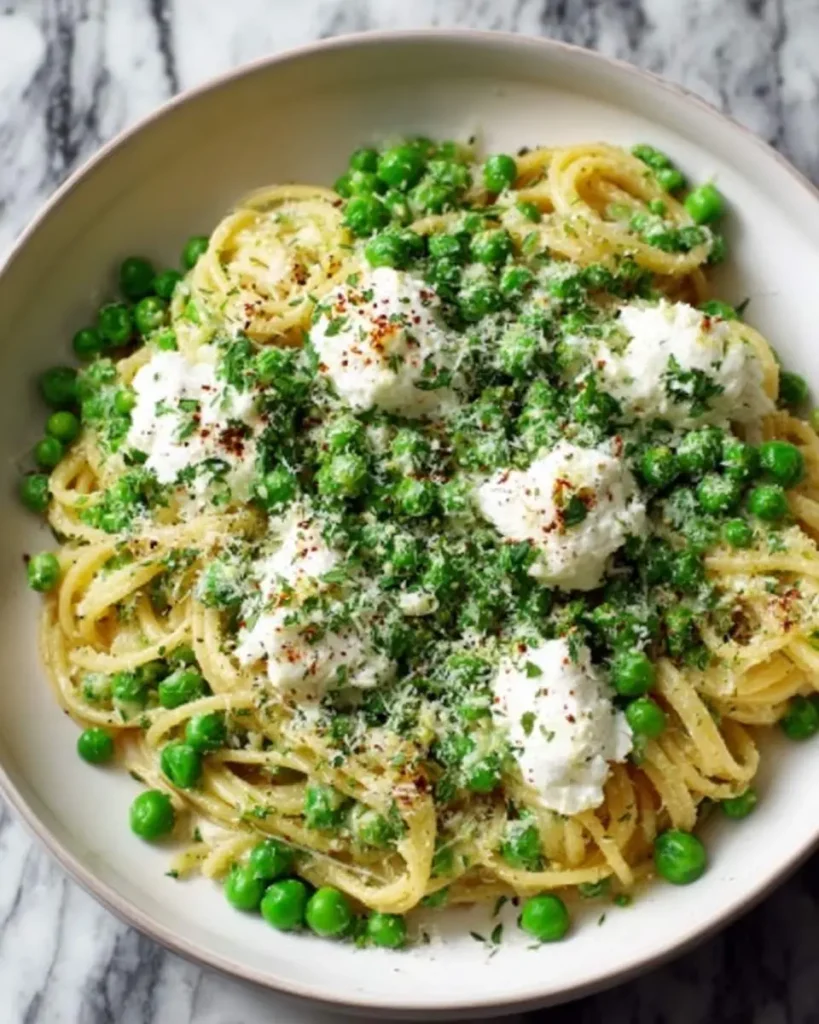
The first time I made pea and ricotta pasta, I was standing in my kitchen at 8 PM with a half-empty container of ricotta threatening to turn and a bag of frozen peas I had forgotten existed. I needed dinner in twenty minutes, and somehow those two humble ingredients transformed into something that made me stop mid-bite and just stare at my bowl. That creamy, slightly sweet, utterly comforting combination became my weeknight rescue, and now I make it even when I have all the time in the world.
My grandmother would have called this “cucina povera”. cooking from what you have. She kept a garden behind her house in New Jersey, and every spring she’d shell peas on her porch while I sat beside her, sneaking handfuls before they ever saw a pot. This dish brings her back to me somehow, even though I am using frozen peas from Trader Joe’s and ricotta from the fancy cheese section I splurge on when I need to feel like an adult.
I have been on a serious ricotta kick lately, which is how I ended up making this sugar cookie fruit pizza last weekend for my niece’s birthday. But this pasta is different. it is savory, simple, and genuinely restorative.
Why Frozen Peas and Fresh Ricotta Changed My Mind About Quick Dinners
I used to think quick pasta meant jarred sauce and regret, but pea and ricotta pasta taught me otherwise. The frozen peas are actually non-negotiable here. they are picked and flash-frozen at peak sweetness, so they taste brighter than the sad fresh peas I sometimes find in winter. The ricotta needs to be whole milk and fresh, the kind that comes in a tub with a short expiration date, not the grainy, shelf-stable stuff. It melts into the hot pasta water and starchy peas to create a sauce that clings without feeling heavy. If you want to understand how ricotta can transform a dish, try this raspberry cheesecake pizza. same ingredient, completely different magic.
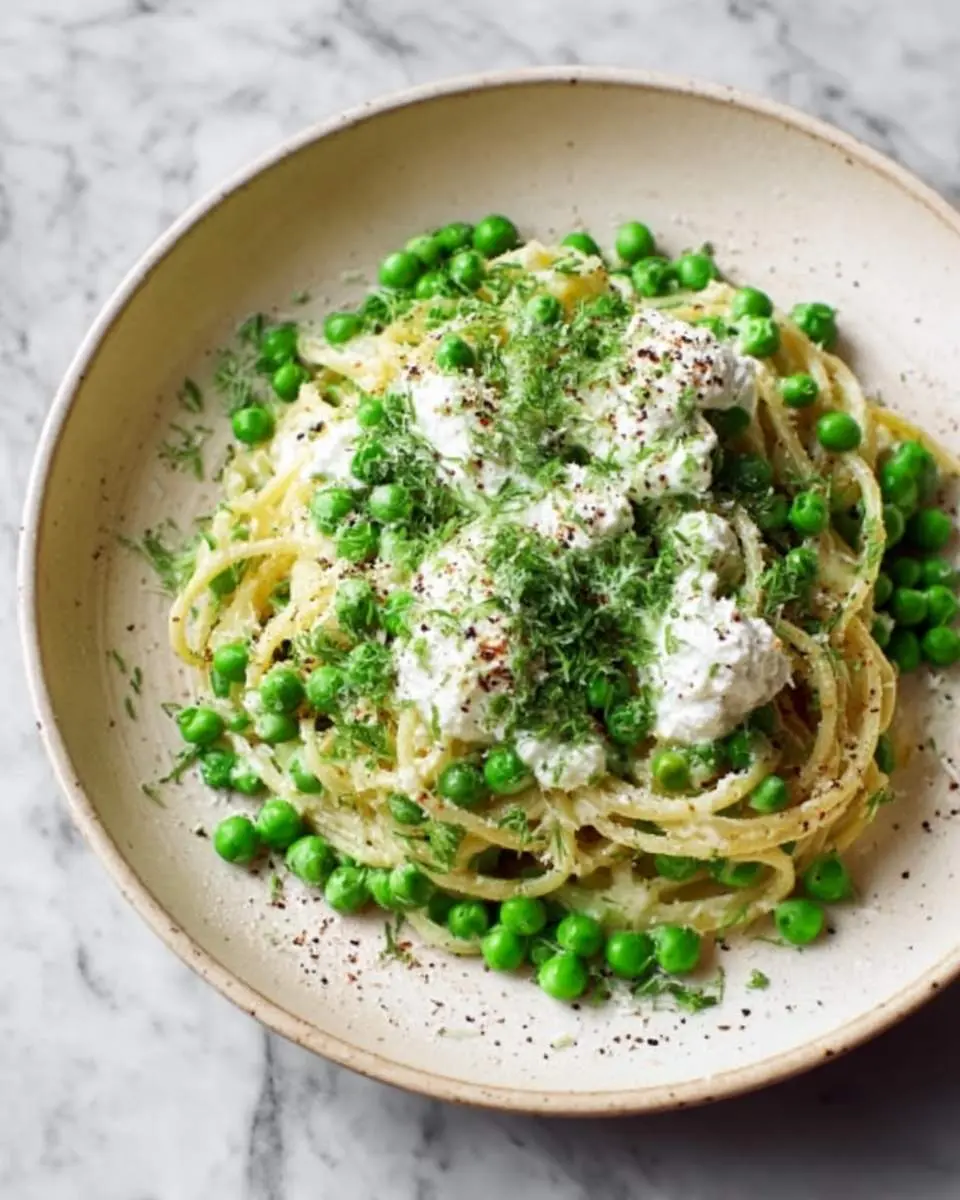
How to Make Pea And Ricotta Pasta
The rhythm of this dish matters more than precise timing. I start the pasta water first, aggressively salted, and while it comes to a boil I set up my mise en place like I am on a cooking show even though no one is watching. The peas go straight into the pasta water for the last two minutes of cooking. this is crucial, because they need that starchy water to help build the sauce later. I scoop out a full cup of that cloudy, salty water before draining, and I do not apologize for how much I use.
In a wide skillet, I warm olive oil with smashed garlic until it just starts to whisper and turn gold, then I add the drained pasta and peas along with half the pasta water and the ricotta. The stirring happens off the heat now, gently, watching the ricotta loosen and coat each strand. It smells like spring and comfort and something slightly nutty from the Parmigiano I grate in at the end. The sauce should look almost too loose in the pan. it tightens as it hits the bowl. For another ricotta technique that relies on this same gentle heat approach, check out this spinach ricotta pizza I make when I need to feed a crowd.
What I Learned After Making This Five Times in One Month
The first time I made pea and ricotta pasta, I added the ricotta while the pan was still over high heat. It separated into sad, grainy curds, and I ate it anyway because I do not waste food, but I knew something had gone wrong. Now I pull the skillet off the heat entirely before introducing the cheese. the residual warmth is plenty to create that silky texture without breaking anything.
I also learned that saving pasta water is not a suggestion, it is the entire point. The starch transforms water and cheese into something that behaves like actual cream sauce without any cream at all. I keep a liquid measuring cup right next to the stove now, a habit I picked up specifically for this dish.
Fresh lemon zest at the end is not optional for me anymore. it cuts through the richness and makes the peas taste more like themselves. I use a Microplane and go directly over each bowl, watching the yellow oils spray across the white cheese.
My Secret Trick: I mash about a quarter of the peas against the side of the skillet with the back of my spoon before adding the ricotta. This creates a subtle, sweet pea puree that thickens the sauce and gives it body without any actual technique or extra ingredients.
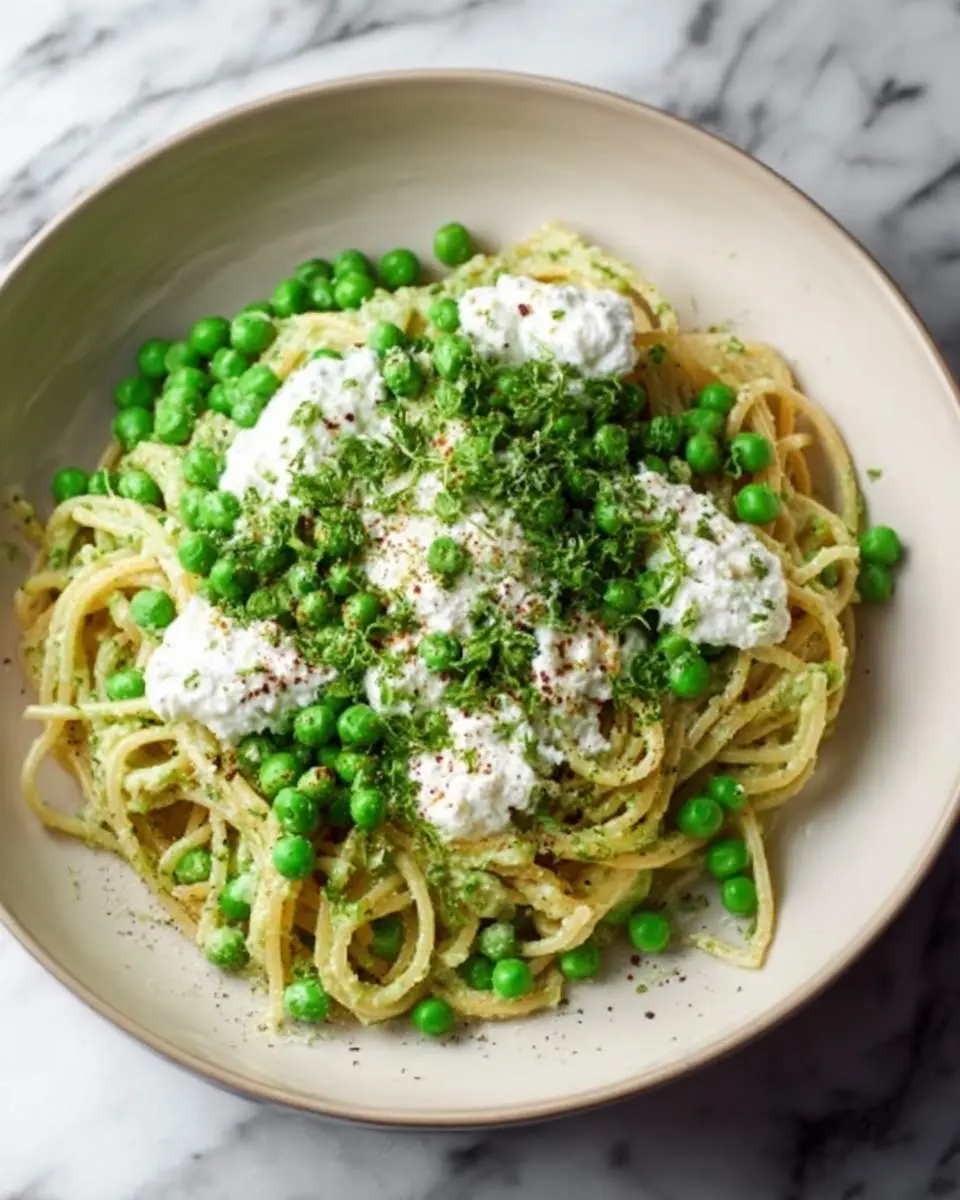
How to Store Pea And Ricotta Pasta
- Refrigerate in an airtight container for up to 3 days. the sauce will thicken considerably as it sits
- Do not freeze. the ricotta becomes grainy and separates upon thawing, which ruins the texture completely
- Reheat gently in a skillet with 2-3 tablespoons of water or milk, stirring constantly over medium-low heat until just warmed through
- Microwave reheating works in 30-second bursts with a damp paper towel covering the bowl, but the stovetop method preserves the sauce better
Why This Recipe Fits My Real Life
Pea and ricotta pasta has become my answer to the question of what to cook when I want something that feels thoughtful but requires almost no planning. The protein from the cheese and the fiber from the peas mean I am genuinely satisfied after one bowl, not hunting for snacks an hour later. I have served this to friends who expected something more elaborate and watched them go quiet with surprise. the kind of quiet that means they are paying attention to what they are eating. It is the kind of dinner that makes me feel capable without making me feel exhausted.
FAQs
Can I use fresh peas instead of frozen?
Fresh peas work beautifully in late spring when they are truly fresh and sweet, but they need longer cooking. about 4-5 minutes instead of 2. Shell them right before cooking, and taste one raw first. If it is not sweet enough to eat raw, it will not be sweet enough for this dish, and frozen becomes the better choice.
What pasta shape works best?
I prefer short shapes with ridges or tubes that catch the sauce. rigatoni, mezze maniche, or even orecchiette. Long strands like spaghetti work but require more aggressive tossing to distribute the ricotta evenly. Avoid delicate shapes like angel hair that break under the weight of the sauce.
How do I keep the ricotta from getting grainy?
Remove the pan from heat before adding the cheese, and use the residual warmth to gently incorporate it. High heat causes the proteins in ricotta to seize and separate. If your ricotta seems especially wet, drain it in a fine-mesh sieve for 10 minutes first. excess water makes the sauce harder to emulsify.
Can I add protein to make this a complete meal?
Prosciutto torn into ribbons and added with the garlic is my favorite addition. it renders slightly and seasons the whole dish. Crumbled Italian sausage browned separately also works well. For a vegetarian option, white beans rinsed and added with the peas provide substance without competing with the delicate flavors of pea and ricotta pasta.
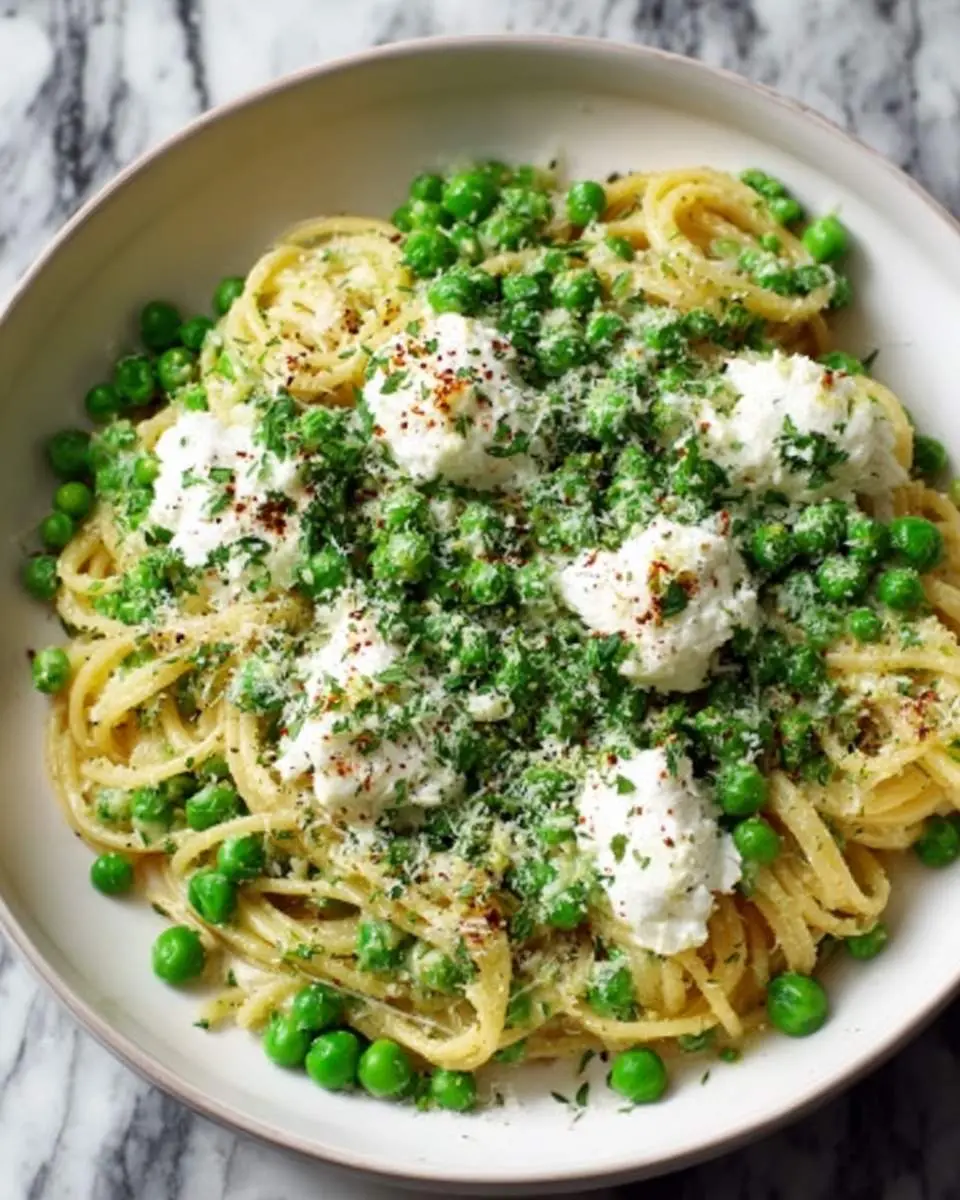

Pea And Ricotta Pasta
Ingredients
Equipment
Method
Notes
Conclusion
I hope you make this on a night when you are tired and tempted by delivery. I hope the simplicity surprises you, and I hope you find yourself standing over the stove eating straight from the pan because you cannot wait for a bowl. If ricotta has captured your imagination the way it has mine, try this blackberry basil ricotta pizza next. it is completely different and completely worth it.
Follow us on Social Media : Pinterest