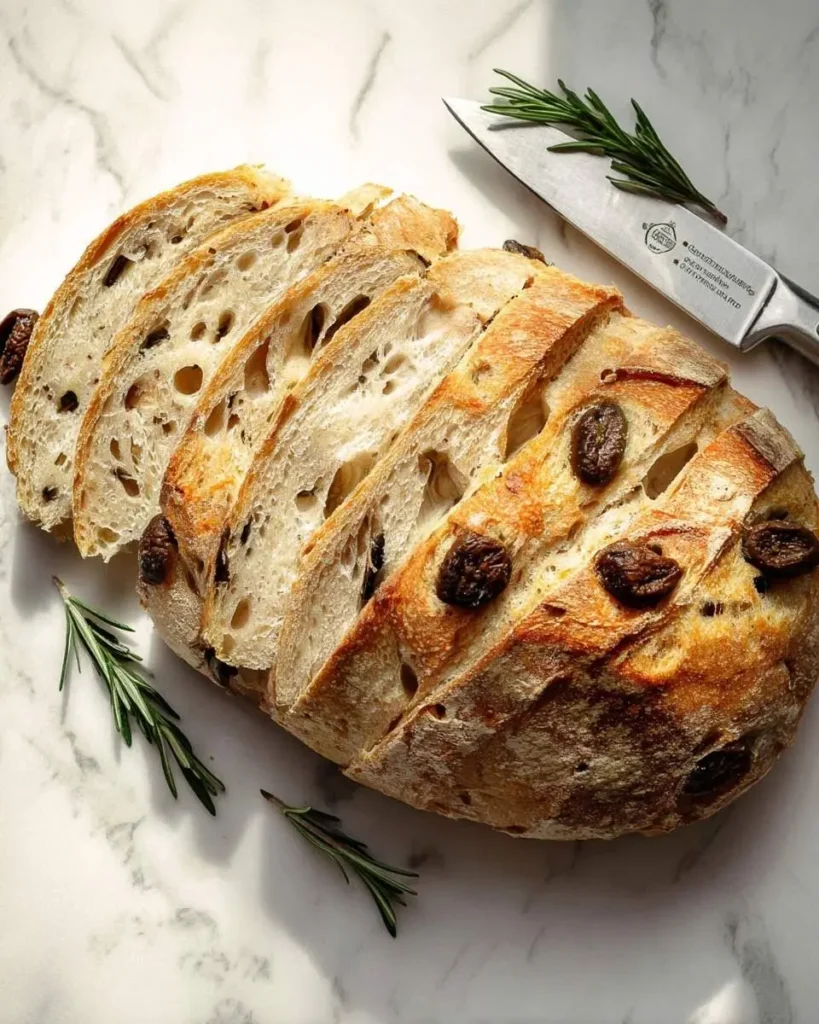
There’s nothing quite like the aroma of freshly baked Sourdough Olive Bread filling my kitchen; it’s a warmth that signals pure comfort, a feeling I often associate with lazy weekend mornings or bustling family brunches where everyone gathers around a loaf. Just like my beloved sourdough focaccia bread, this bread offers a truly rustic charm.
I remember my grandmother, Nonna Elena, always saying that good bread was the heart of any home. She’d spend hours nurturing her starter, and I inherited that same devotion. This particular recipe brings back memories of our trips to the Mediterranean, where every meal began with a glorious, crusty loaf.
This Sourdough Olive Bread is a low-stress baking project that rewards you with an incredibly satisfying, flavorful loaf. It’s hearty enough to be the star of a meal and comforting in every bite. My practical tip for anyone starting out is to trust your senses – the dough will tell you what it needs!
What You Need to Make This Recipe
To bring this incredible Sourdough Olive Bread to life, you’ll discover that a few simple yet high-quality ingredients make all the difference. I love how the rich Kalamata olives and fragrant fresh rosemary infuse the dough, creating a depth of flavor that’s simply irresistible, much like my go-to sourdough sandwich bread for everyday enjoyment. You’ll find the full list of ingredients and precise measurements in the recipe card below.
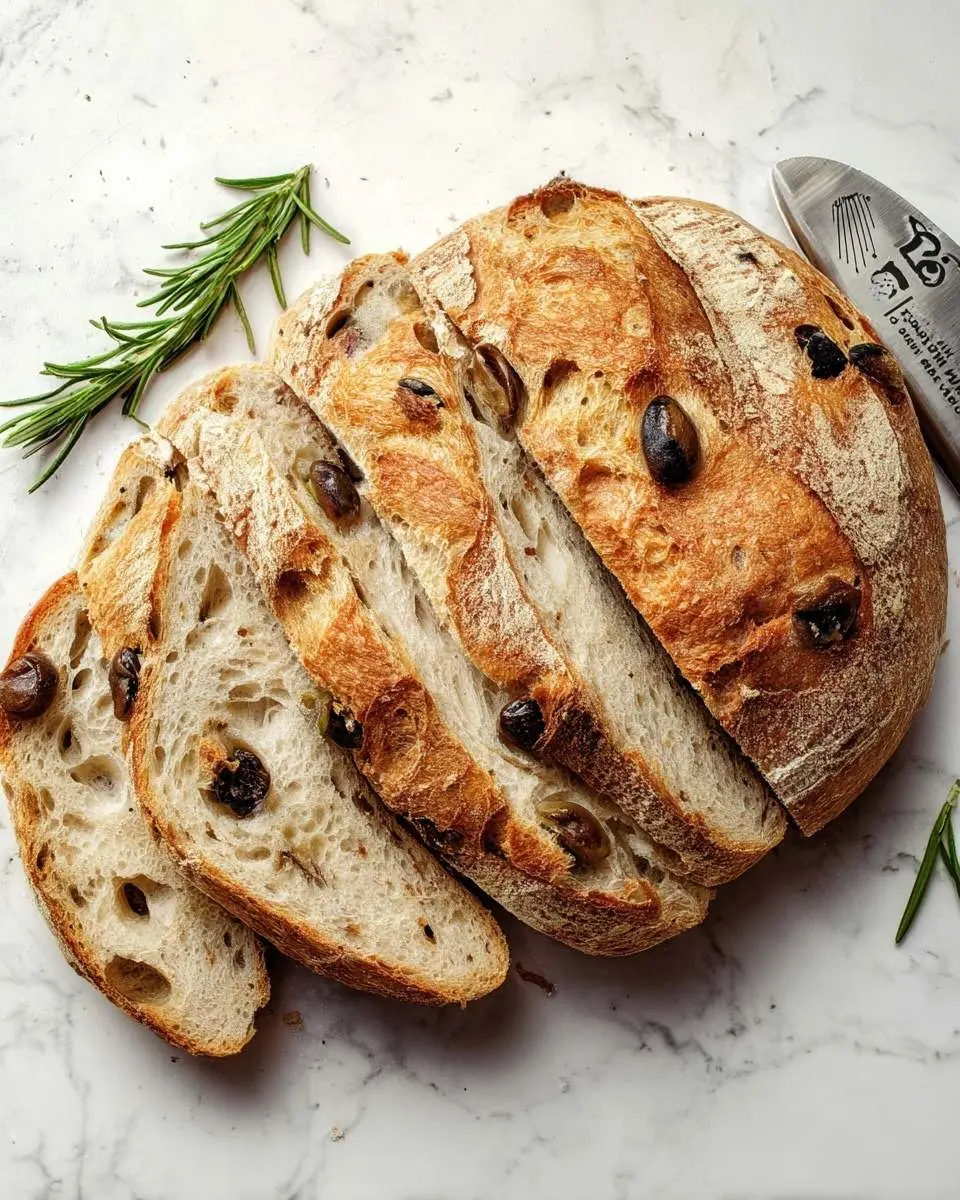
How to Make Sourdough Olive Bread
Crafting this delightful Sourdough Olive Bread follows a beautifully rhythmic process that begins with an autolyse, letting the flour and water mingle, which truly sets the stage for a wonderful texture. We then gently incorporate our active sourdough starter and salt, followed by a generous bulk fermentation where the dough truly develops its character. It’s a journey of patience and simple steps, much like making a flavorful sourdough herb and garlic twist loaf, culminating in a perfectly cold-proofed and baked loaf that I know you’ll adore.
Pro Tips for Making This Sourdough Olive Bread
Baking with sourdough is an act of love and patience, and I’ve learned a few tricks over the years that truly elevate this Sourdough Olive Bread. Here’s what works best for me to ensure a beautifully flavored and textured loaf every time.
Hydration is Key: Don’t be afraid of a slightly wetter dough. It contributes to that incredible open crumb we all love.
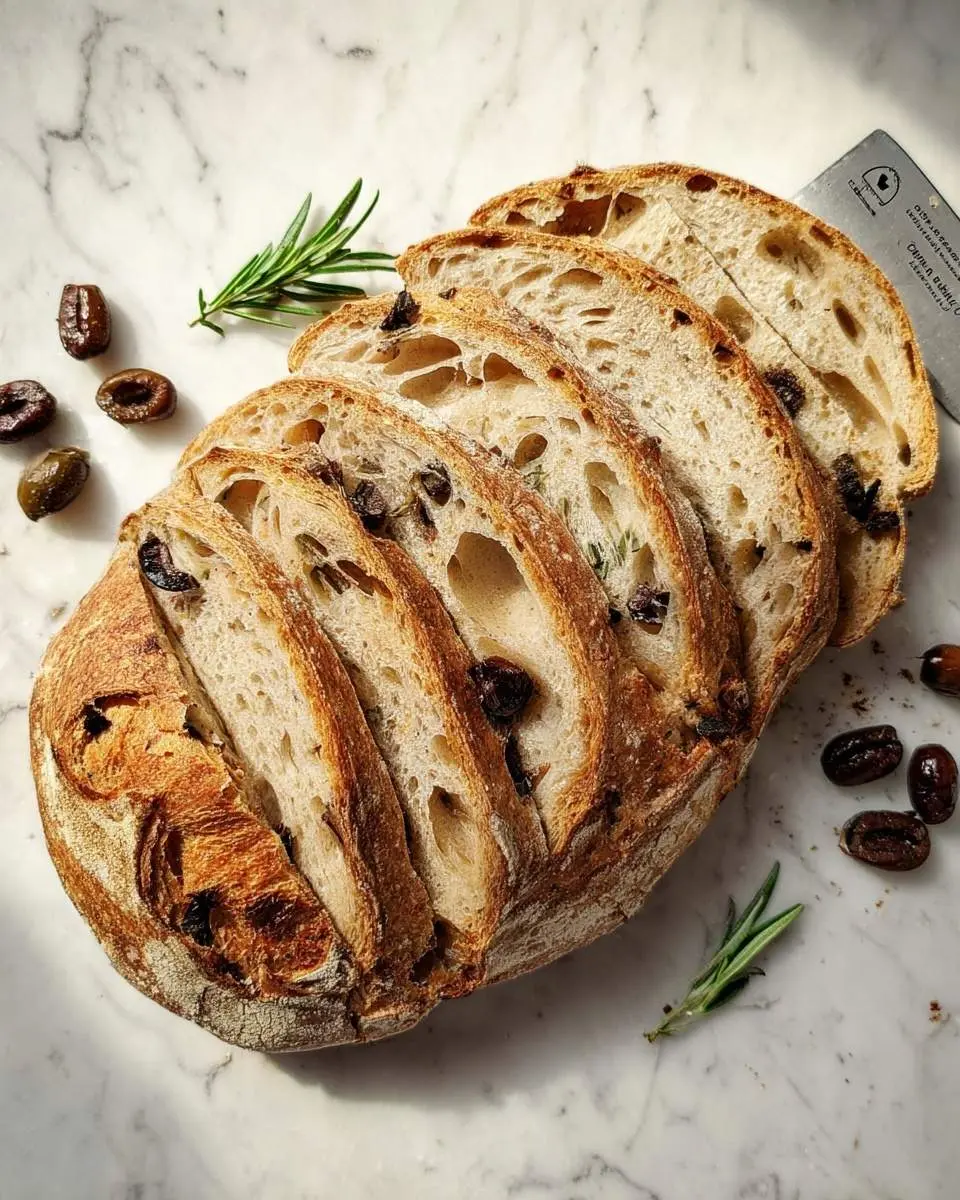
Olives and Rosemary: I always make sure to drain and pat my Kalamata olives very dry before adding them. This prevents excess moisture from interfering with the dough’s development. For the rosemary, gently tear it rather than finely chopping for bursts of fresh flavor.
My Secret Trick: When I’m pre-shaping, I always let the dough rest for a good 20-30 minutes covered after the initial gentle shaping. This allows the gluten to relax, making the final shape much easier and preventing the dough from tearing, which is crucial for a stunning Sourdough Olive Bread.
The Cold Proof: Don’t rush the cold proof. This extended, cool fermentation is where the flavors truly deepen and develop that signature sourdough tang. It also makes the dough much easier to handle for scoring and baking.
How to Store Sourdough Olive Bread
Once you’ve enjoyed your first slices of this incredible Sourdough Olive Bread, you’ll want to make sure the leftovers stay just as delightful. I find that storing the cooled bread at room temperature, wrapped in a clean kitchen towel or in a bread bag, keeps it fresh for 2-3 days. For longer storage, I slice the Sourdough Olive Bread and freeze the slices individually, then just pop them into the toaster when a craving strikes. My personal tip for reheating a whole loaf is to mist it lightly with water and warm it in a 350°F (175°C) oven for about 10-15 minutes; it truly brings that crust back to life!
Nutritional Benefits
This beautiful Sourdough Olive Bread offers more than just incredible flavor; it also brings some lovely nutritional perks to our family table. The fermentation process in sourdough can make the nutrients more accessible, and with the addition of whole wheat flour, it provides a good source of fiber. Plus, the olives contribute healthy fats and antioxidants, making this a wholesome and delicious choice for any meal.
FAQs
Can I use different types of olives in this recipe?
Absolutely! While Kalamata olives offer a distinct briny flavor, you can certainly experiment with other varieties like Castelvetrano or a mix of different pitted olives. Just ensure they are well-drained and patted dry to maintain the optimal consistency of your Sourdough Olive Bread dough.
What if my sourdough starter isn’t very active?
An active starter is crucial for a good rise in Sourdough Olive Bread. If your starter seems sluggish, try feeding it every 12 hours for a day or two before baking, making sure it doubles in size within 4-6 hours after feeding. This will ensure it’s robust enough for a successful bake.
How do I get a really crispy crust on my Sourdough Olive Bread?
Achieving a crispy crust often comes down to steam during baking. Baking in a preheated Dutch oven with the lid on for the first part of the bake traps steam, which helps the crust develop beautifully before browning. Removing the lid allows it to crisp up perfectly.
Can I make this Sourdough Olive Bread without whole wheat flour?
Yes, you can! While whole wheat flour adds a lovely nutty flavor and texture, you can substitute it with an equal amount of bread flour if you prefer. The overall texture and flavor profile of your Sourdough Olive Bread will be slightly different but still wonderfully delicious.
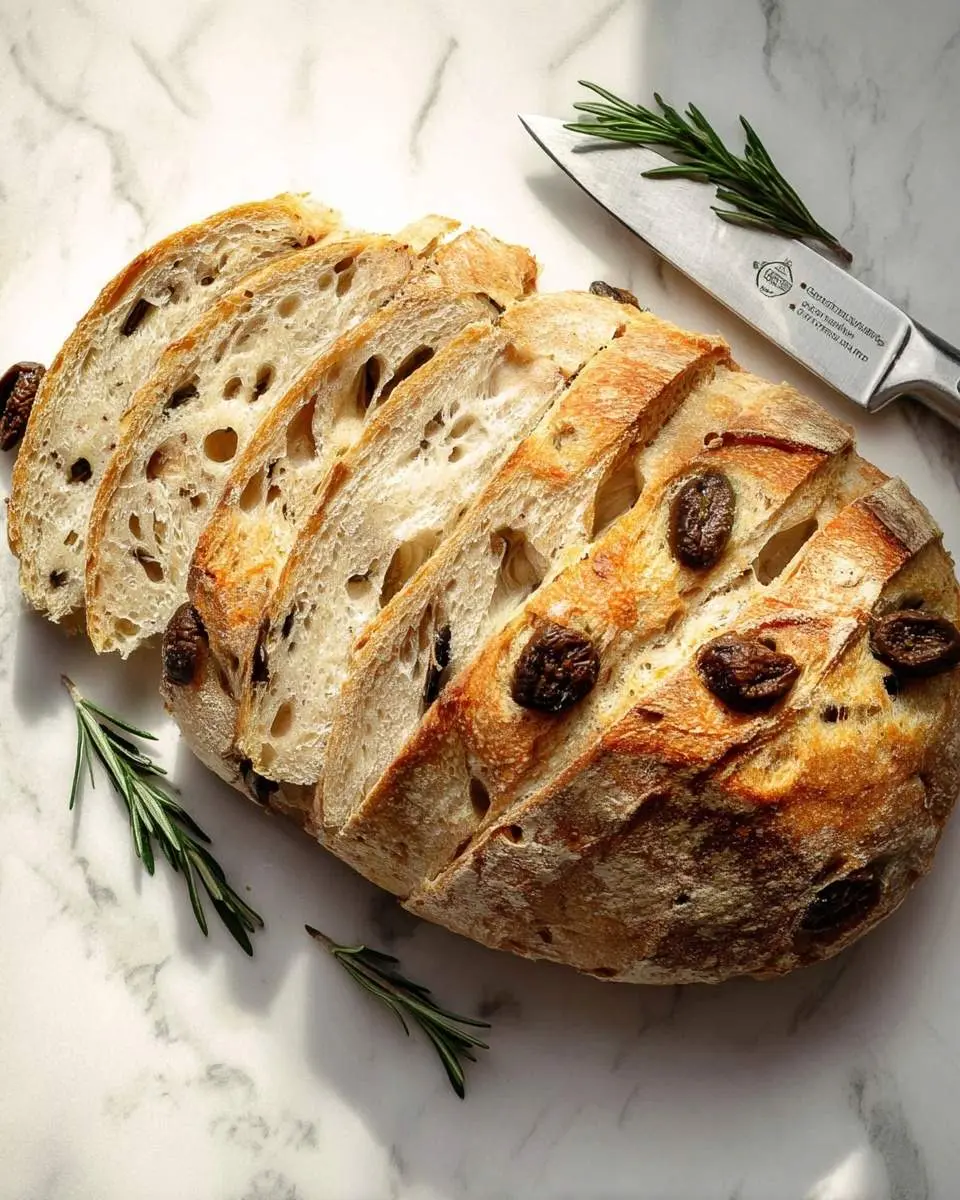

Artisanal Sourdough Olive Bread
Ingredients
Equipment
Method
Notes
Conclusion
Baking this Artisanal Sourdough Olive Bread has truly become a cherished ritual in my kitchen, bringing the flavors of the Mediterranean right to our home. It’s a wonderful project that yields a rustic, flavorful loaf perfect for sharing with loved ones. I truly hope you’ll give this recipe a try and create your own delicious memories, perhaps alongside a comforting honey oat sourdough bread. It’s more than just bread; it’s a taste of warmth, comfort, and the joy of simple, honest cooking.