
The first time I smelled homemade teriyaki sauce hitting a hot grill, I was standing on my tiny apartment balcony with a cheap set of skewers and zero expectations. That sticky-sweet glaze caramelizing over chicken pieces, turning glossy and almost lacquered, it stopped me mid-flip. I knew right then that teriyaki chicken skewers would become something I made again and again, not because they were easy (they are), but because they tasted like I had actually planned dinner instead of throwing it together.
My grandmother never made teriyaki anything. She was a Midwestern casserole woman through and through. But I remember watching her brush barbecue sauce on chicken legs with this focused, almost meditative patience. That same feeling comes over me now when I thread marinated chicken onto soaked bamboo sticks, the sauce still dripping slightly, promising what is about to happen over the flames.
What I love most is how these skewers bridge weeknight convenience and weekend project energy. You can marinate in the morning and grill by six, or you can go full homemade with your marinade and let it deepen overnight. Either way, the result feels intentional in a way that matters to me.
Why Soy Sauce, Mirin, and Fresh Ginger Matter Here
The foundation of any teriyaki worth eating comes down to balance, and that balance lives in three specific bottles in my pantry. Good soy sauce brings salt and umami depth that cannot be faked with salt alone. Mirin, that slightly sweet Japanese cooking wine, gives the glaze its signature sheen and keeps the sugar from tasting one-dimensional. Fresh ginger, grated on a microplane until it practically dissolves, adds heat that warms your throat without overwhelming the sweetness. I have tried powdered ginger in a pinch, and I will not lie to you about the results. The chicken deserves better, and so do you. For another approach to building flavor on skewers, I have been loving this method for chicken skewers with lemon rice lately.

How to Make Teriyaki Chicken Skewers
I always start with the marinade, whisking soy sauce, mirin, brown sugar, ginger, and garlic in a bowl until the sugar dissolves completely. The smell alone pulls people into the kitchen. I cut chicken thighs into rough one-inch pieces, not too precise because irregular edges catch more glaze, and let them swim in that marinade for at least two hours. Overnight is better if I remember to plan ahead.
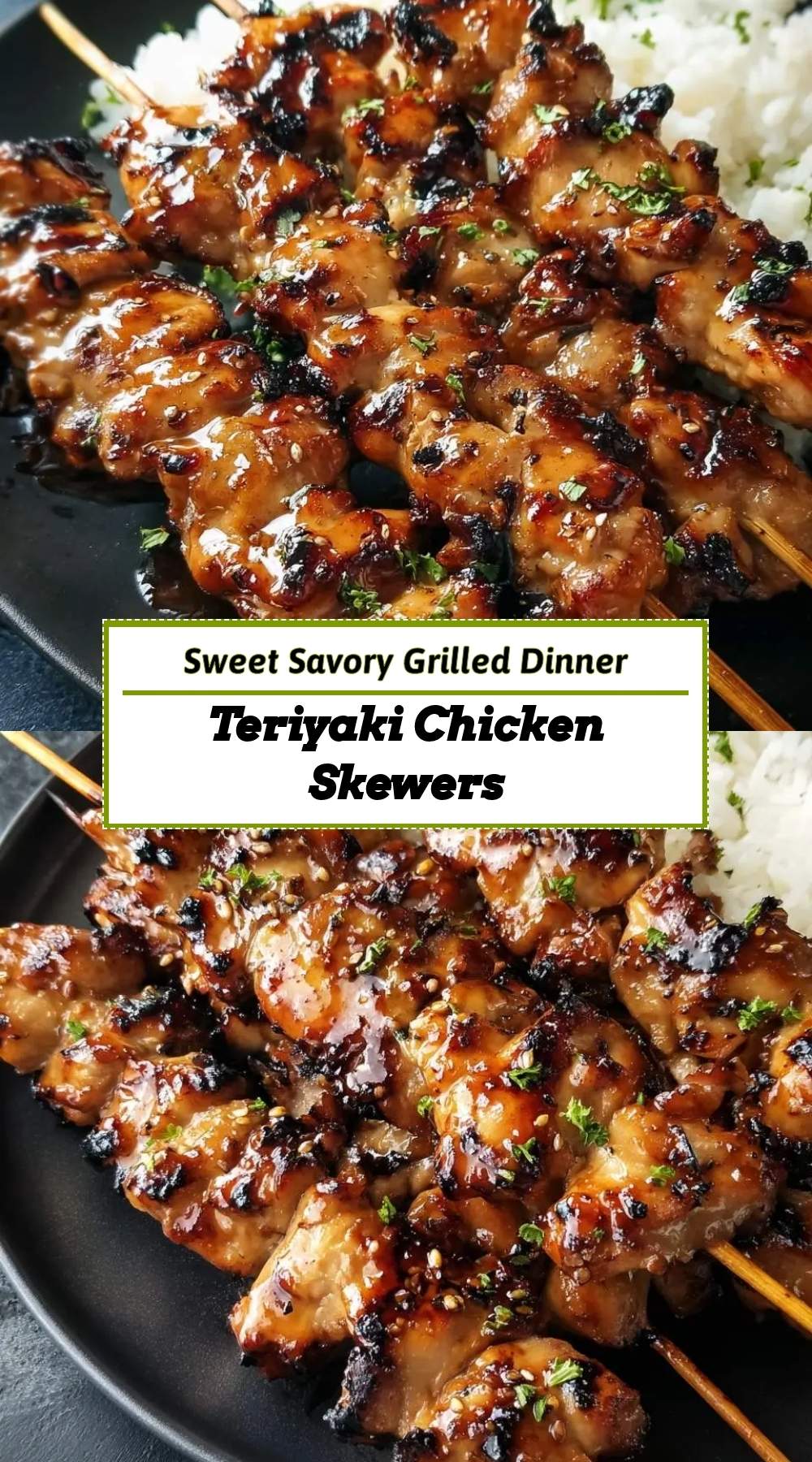
Threading comes next, and I pack the pieces snugly but not crowded, leaving little gaps for heat to circulate. The grill needs to be hot enough that the chicken sizzles on contact, but not so hot that the sugar burns before the inside cooks through. I watch for that moment when the edges start to char and the sauce bubbles into almost-burnt spots that taste like candy. Turning them feels like a rhythm, four minutes, flip, four more, brush with reserved glaze, another two until they look lacquered and irresistible. If you want to explore another island-inspired approach, these Hawaiian chicken kebabs follow a similar logic with different results.
What I Learned After Burning the First Batch
My first attempt at teriyaki chicken skewers ended with blackened sugar and raw centers, a combination that still haunts me. I learned that medium-high heat is not a suggestion, it is the difference between caramelization and carbon. The sugar in the marinade needs time to reduce and thicken, not incinerate.
I also discovered that thighs beat breasts here, every single time. The extra fat keeps the meat juicy even when you push the char further than you meant to. Breast meat dries out faster than you can rescue it, and nobody wants to chew through glazed cardboard.
Soaking skewers matters more than I thought. Thirty minutes in water keeps them from igniting over direct heat, which seems obvious until you are frantically blowing out flames while your dinner smokes.
My Secret Trick: I reserve a quarter of the marinade before it touches raw chicken, then simmer it on the stove until it reduces by half. This becomes my finishing glaze, brushed on in the final minutes of grilling, giving that restaurant-quality shine that makes people ask what your secret is.

How to Store Teriyaki Chicken Skewers
- Refrigerate cooled skewers in an airtight container for up to 4 days, separating layers with parchment to prevent sticking
- Freeze uncooked marinated chicken in the marinade for up to 3 months, thaw overnight in the refrigerator before threading and grilling
- Reheat cooked skewers in a 350 degree oven for 8-10 minutes, or in a covered skillet with a splash of water to restore moisture
- Avoid microwaving if possible, it toughens the chicken and makes the glaze gummy rather than glossy
Why This Recipe Fits a Protein-Forward Routine
Each skewer delivers roughly 25 grams of protein without relying on heavy sauces or fried coatings to carry the flavor. The ginger and garlic bring actual anti-inflammatory compounds, not just marketing language, and the moderate sugar content keeps this squarely in the realm of sustainable eating rather than occasional indulgence. I reach for teriyaki chicken skewers when I want something that feels like a treat but supports the way I want to feel afterward, satisfied and energized rather than weighed down.
FAQs
Can I use chicken breast instead of thighs?
You can, but I would not recommend it for this specific preparation. Breast meat lacks the fat that protects against drying, and the high heat needed for proper caramelization works against leaner cuts. If you must use breast, reduce the cooking time significantly and pull the skewers as soon as they reach 165 degrees internally.
How do I prevent the skewers from burning on the grill?
Soak wooden skewers for at least thirty minutes before threading, and position them on the cooler section of a two-zone fire if possible. I also slightly fold a strip of foil and place it under the exposed wooden ends, which shields them from direct flame while the chicken cooks through.
Can I make these in the oven instead?
Absolutely, though you will miss some of the smoky char that makes these special. Arrange skewers on a wire rack set over a foil-lined baking sheet, broil on high for 4-5 minutes per side, watching carefully. Brush with reduced glaze in the final two minutes to build that signature lacquer.
What sides pair best with teriyaki chicken skewers?
I gravitate toward simple, slightly acidic accompaniments that cut through the sweetness. Steamed rice with a splash of rice vinegar, quick-pickled cucumbers, or a cold sesame noodle salad all work beautifully. The goal is balance, not competition, let the skewers remain the star.


Teriyaki Chicken Skewers
Ingredients
Equipment
Method
Notes
Conclusion
These teriyaki chicken skewers have earned their place in my regular rotation because they deliver more than they demand. A little planning, a hot grill, and the patience to let the glaze do its work, that is all it takes to make something that tastes like care. I hope you make them your own, and I hope they surprise you too.
Follow us on Social Media : Pinterest