
The first time I pulled a cast iron steak from my skillet, the crust crackled like a tiny celebration. That sound. the one that makes you pause mid-flip and smile. hooked me immediately. I had spent years afraid of cooking steak at home, convinced I needed a grill or a restaurant kitchen to get it right. Turns out, the heaviest pan I own was the answer all along.
My grandfather had this ancient cast iron skillet that lived on his stove like a family member. He never put it away. Every Sunday, he’d sear something in it with butter that smelled like heaven. I inherited that pan five years ago, rust spots and all, and restoring it felt like continuing a conversation we never finished. That skillet made me believe I could cook steak without fear.
Now I make this cast iron steak when I need something that feels special but comes together in twenty minutes. No grill required. No complicated technique. Just heat, patience, and a pan that remembers every meal you’ve cooked in it.
The Ingredients That Make This Crust Possible
Coarse kosher salt changed everything for me. The larger crystals draw moisture from the surface without dissolving immediately, which means your steak can actually sear instead of boiling in its own juices. I learned this the hard way after too many gray, sad steaks. Fresh cracked black pepper matters too. pre-ground loses its volatile oils sitting in a jar. And please, buy a steak with some fat marbling. That intramuscular fat melts into the meat as it cooks, basting it from the inside. I reach for ribeye when I want decadence, strip when I want cleaner bites. Pair it with something creamy and you’ve got dinner that feels like an occasion.
How to Make Cast Iron Steak
I start by pulling my steak from the fridge a full hour before cooking. Cold meat hits hot iron and seizes up, and I’ve learned that patience here pays off in tenderness later. While it rests, I crank my oven to 400 degrees and set my cast iron on the stove over high heat for a solid ten minutes. The pan needs to be screaming hot. I flick a drop of water and it should evaporate instantly.
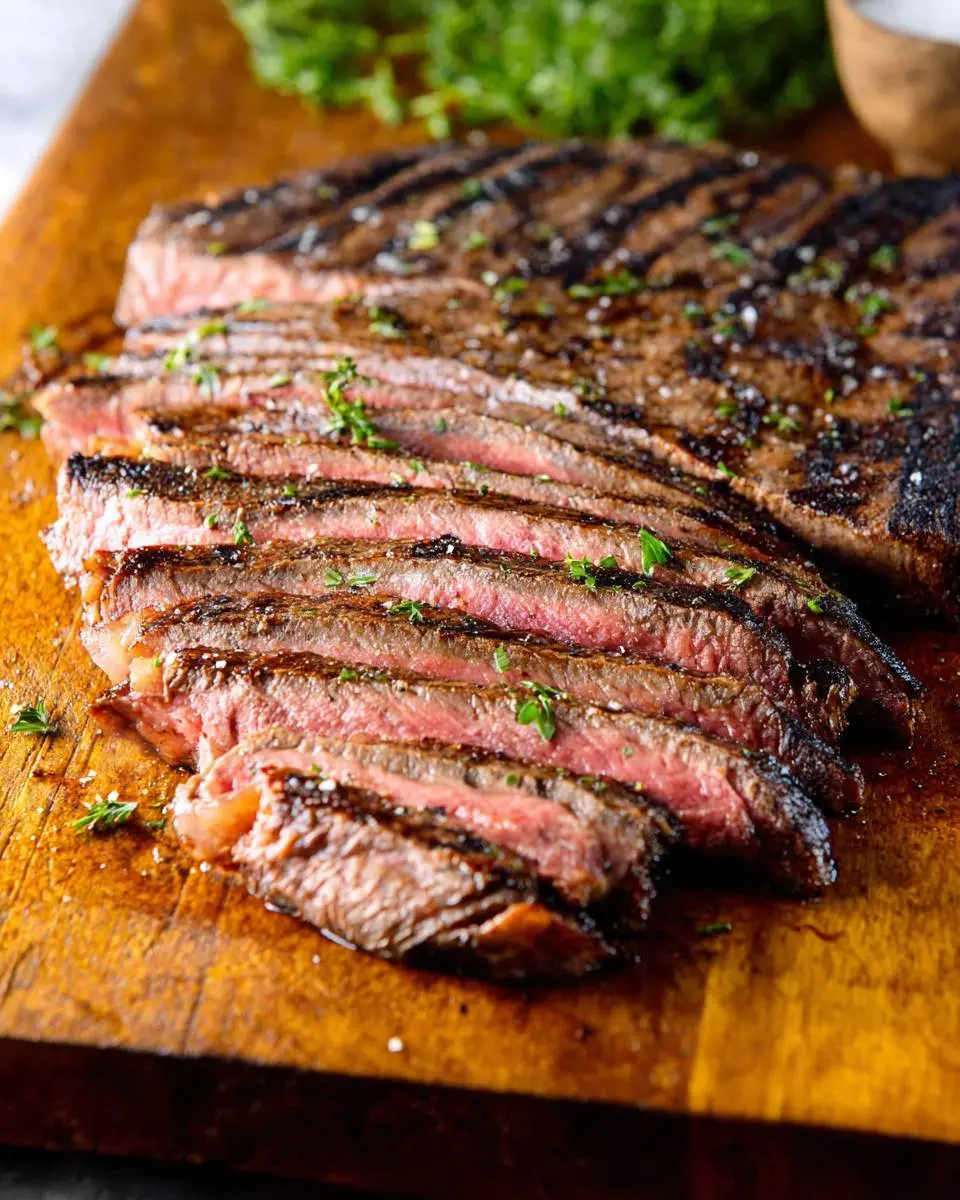
Once the steak hits that hot surface, I don’t touch it. Not for four full minutes. The kitchen fills with this intense, meaty aroma that makes my stomach actually growl. When I finally flip, the crust is this deep mahogany color that looks almost too beautiful to eat. The fond left behind becomes liquid gold if you want to build a pan sauce, though honestly, this steak needs nothing.
I finish thicker cuts in the oven, just three or four minutes, then let everything rest on a cutting board. That resting period feels like torture, but cutting too early means losing all those precious juices. I watch the meat relax, the surface going from tense to settled, and only then do I slice against the grain.
What I Learned From Three Ruined Steaks
Dry surface, always. I pat my steaks with paper towels until they feel almost tacky. Any moisture becomes steam, and steam prevents that gorgeous crust from forming. I learned this after my second attempt came out pale and disappointing.
Room temperature butter, not cold. When I baste with butter, herbs, and garlic in the final minutes, cold butter drops the pan temperature and ruins the sear. Soft butter melts immediately into aromatic foam that seasons the meat perfectly.
Let the pan recover between batches. If I’m cooking for two, that second steak needs the pan to come back to temperature. I’ve rushed this and ended up with one perfect steak and one mediocre one. Not worth it.
My Secret Trick: I rest my steak on a wire rack instead of a flat plate. The air circulates underneath, preventing the bottom from steaming and softening that crust I worked so hard to build. A simple cooling rack from my baking drawer changed my results dramatically.

How to Store Cast Iron Steak
- Refrigerate leftover steak within two hours of cooking, wrapped tightly in foil or stored in an airtight container for up to 3 days
- Freeze individual portions wrapped in plastic wrap then foil, labeled with date, for up to 2 months
- Reheat gently in a 250 degree oven on a wire rack until internal temperature reaches 110 degrees, about 20 minutes
- Never microwave. it destroys the texture and turns the fat rubbery
- Slice cold leftovers thin for salads or sandwiches rather than reheating
Why This Steak Fits My Weekly Rotation
Cast iron steak delivers serious protein without the complexity I used to associate with restaurant-quality meat. The iron itself adds trace minerals to whatever I cook, and the high-heat sear creates flavor compounds that make me feel genuinely satisfied with smaller portions. I reach for this when I need energy that lasts, not the crash that follows heavier comfort foods. The control I have over doneness means I can cook exactly to my mood. rare when I want something primal, medium when I need reliable.

FAQs
How do I know when my cast iron is hot enough?
Drop a teaspoon of water onto the surface. If it dances and evaporates within two seconds, you’re ready. If it sits and bubbles, wait another two minutes. I used to rush this step and always regretted it.
Can I use olive oil for searing?
Please don’t. The smoke point is too low and you’ll fill your kitchen with bitter, acrid smoke. I use avocado oil or refined grapeseed oil. neutral flavors, high smoke points, no drama.
Why does my steak stick to the pan?
It will stick at first, then release when the crust forms. That’s the Maillard reaction doing its work. If you try to move it too early, you’ll tear the surface. Trust the process and wait for that release.
Do I need to finish cast iron steak in the oven?
Only for steaks thicker than one inch. Thin cuts cook through on the stovetop. For my inch-and-a-half ribeyes, that oven finish ensures even cooking without burning the exterior. I use an instant-read thermometer and pull at 125 degrees for medium-rare.


Cast Iron Steak
Ingredients
Equipment
Method
Notes
Conclusion
This cast iron steak taught me that the best cooking happens when I stop overthinking and trust my senses. The sound, the smell, the feel of a properly preheated pan. these matter more than any timer. Slice leftovers thin and you’ve got tomorrow’s lunch handled too. You deserve this kind of dinner.
Follow us on Social Media : Pinterest