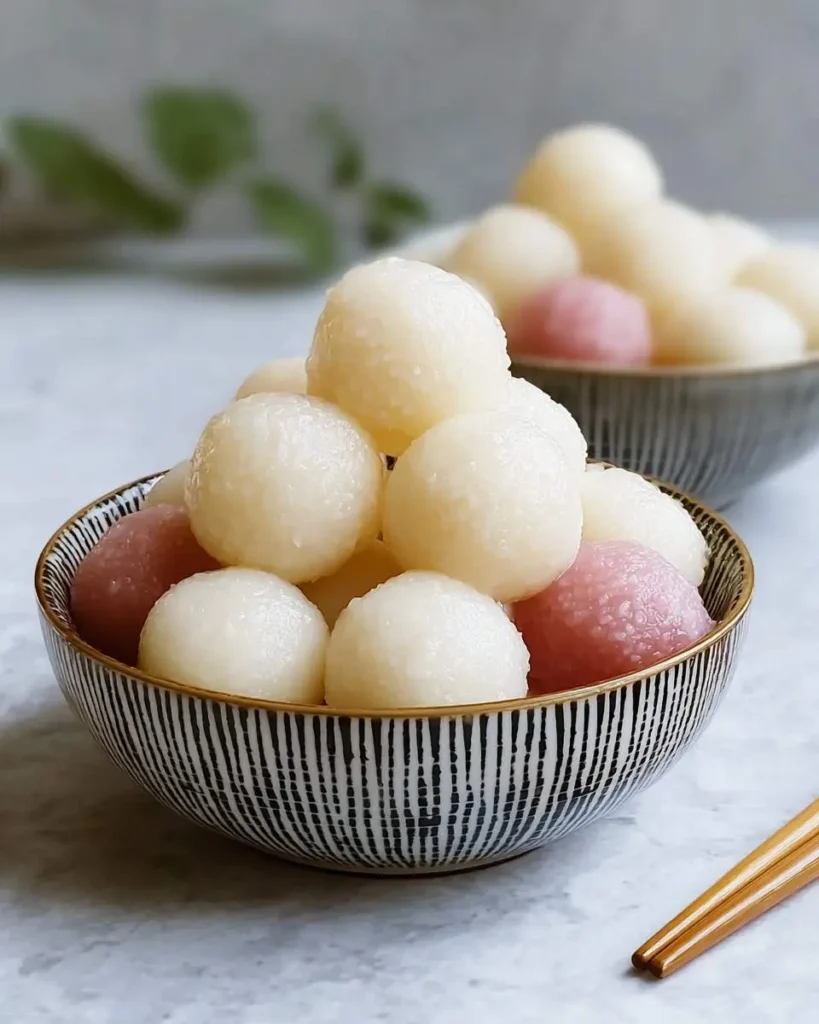
The first time I bit into a warm, chewy glutinous rice ball, I was standing in my grandmother’s kitchen in Shanghai. The sweet black sesame filling oozed onto my tongue while the delicate wrapper practically melted against my lips. I was ten years old, and I remember thinking nothing could ever taste this comforting again.
Years later, I found myself craving that exact sensation on a rainy Tuesday in Portland. No Asian bakery nearby, no grandmother’s kitchen to run to. Just me, a bag of glutinous rice flour, and a stubborn determination to recreate that memory. What followed were three failed batches, one spectacular kitchen disaster involving exploded filling, and finally, the breakthrough moment when everything clicked.
These glutinous rice balls have become my weekend ritual now. There’s something meditative about rolling the dough between your palms, feeling it transform from crumbly to silky smooth. If you enjoy no-bake treats with that same hands-on satisfaction, you might also love my coconut date balls. they share that same wonderful chewy texture.
The Three Ingredients That Make These Balls Special
Glutinous rice flour is the heart of this recipe, though the name confuses everyone. There’s no gluten here. just a starchy, sticky rice that creates that signature bouncy chew. I buy mine from any Asian grocery store, and I’ve learned that brands matter. Look for Thai or Japanese varieties; they tend to hydrate more evenly than others. The filling is where you can play. I use black sesame paste mixed with honey and a touch of butter, but red bean paste works beautifully too. The fat content matters more than you’d think; it keeps the center molten and luxurious rather than dry and crumbly. For another luxurious treat with a creamy center, try my honey lavender white chocolate truffles.
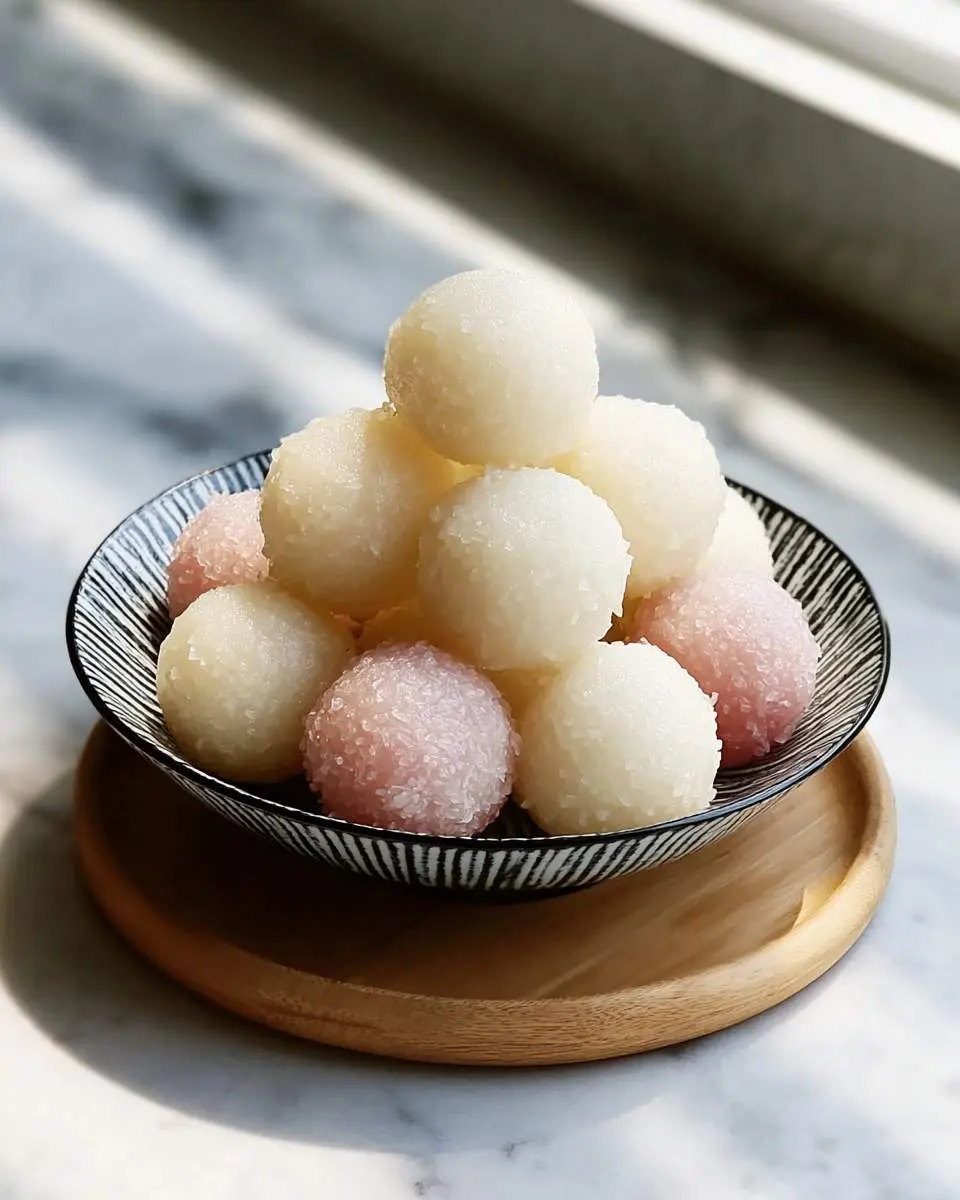
How to Make Glutinous Rice Balls
The process begins with hot water. not boiling, but steaming hot from the tap. I pour it slowly into the flour while stirring with chopsticks, watching the mixture transform from powdery white to shaggy clumps. The smell is subtle, almost nutty, and tells me the starch is activating properly. Kneading happens next, and this is where patience pays off. The dough fights back at first, crumbling and resisting, then suddenly surrenders into something smooth and pliable as warm playdough.
I pinch off walnut-sized pieces and flatten them into thin discs with my fingertips, not a rolling pin. The center needs to be slightly thinner than the edges, a detail I learned only after my third batch burst open in the cooking water. A small spoonful of filling goes in, then the pleating begins. fourteen to sixteen tiny folds that spiral toward the center, sealing everything inside. The final roll between my palms must be gentle; too much pressure and the filling finds a weak spot.
The cooking itself is almost spiritual. I drop the balls into barely simmering water, not the rolling boil I mistakenly used my first time. They sink immediately, then slowly dance upward as they cook, bobbing like gentle buoys when they’re nearly done. The transformation from opaque white to slightly translucent takes about eight minutes, and I always fish one out early to test. better slightly underdone than mushy. If this process of working with sticky rice dough appeals to you, my watermelon mochi joy uses similar techniques with a fun fruity twist.
What I Learned After Three Attempts
Hot water temperature is everything. I use a thermometer now. 175°F exactly. Too cool and the starch doesn’t gelatinize properly; too hot and you get a gummy, unworkable mess that tears when you try to shape it. The dough should feel warm but comfortable against your skin.
Cover resting dough with a damp towel. Glutinous rice flour dries out faster than wheat dough, and once it forms a skin, you’ll never get that seamless closure. I learned this the hard way when half my batch cracked open during cooking, creating a sad porridge of sesame and starch.
Freeze uncooked balls on a tray first. If you try to bag them immediately, they fuse into one solid mass. I freeze them spaced apart on a parchment-lined baking sheet for two hours, then transfer to a container. They cook perfectly from frozen. just add three extra minutes.
My Secret Trick: I add one teaspoon of neutral oil to my dough. It doesn’t change the flavor, but it creates the most incredible sheen on the finished glutinous rice balls and prevents them from sticking to each other when served. This one small addition transformed my results from homey to genuinely elegant.
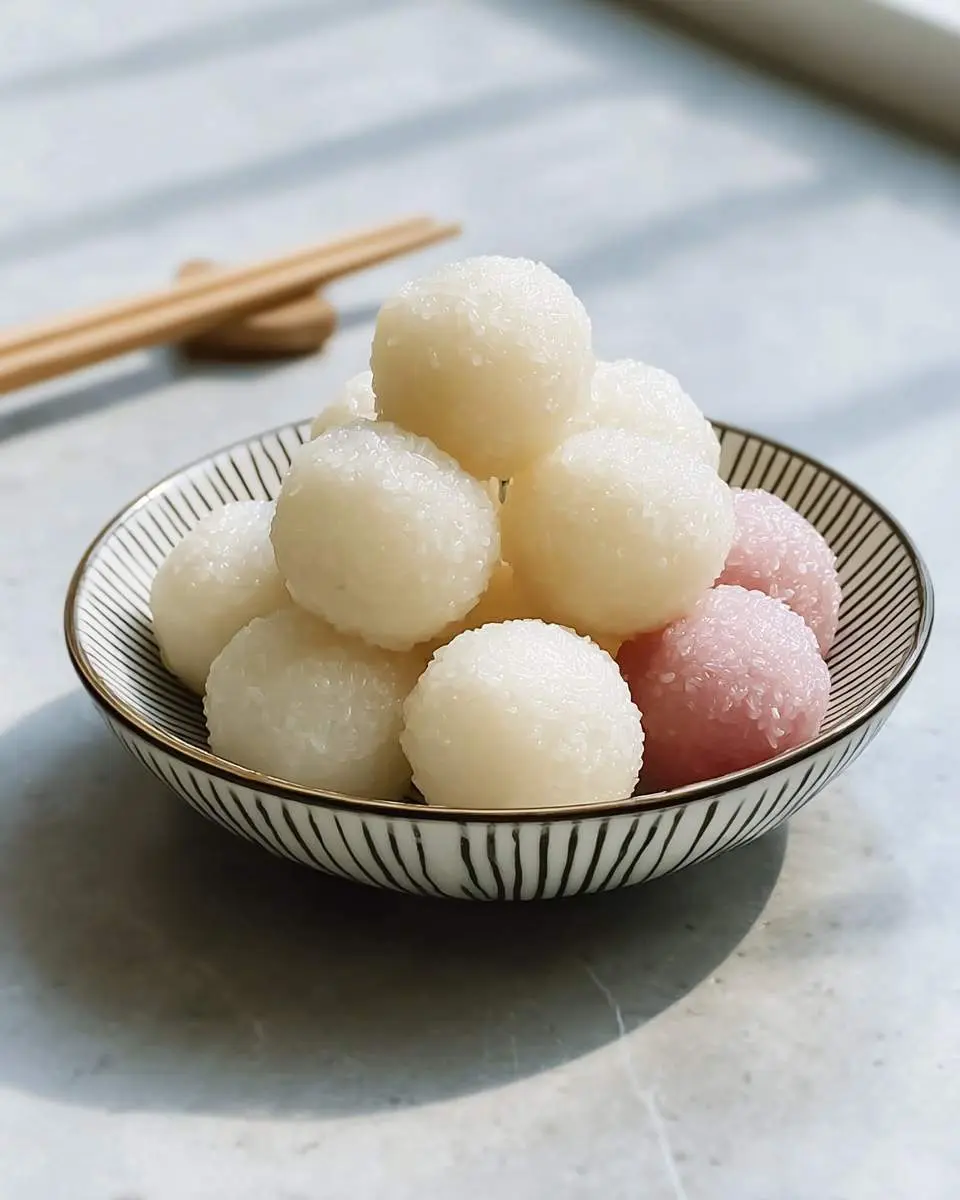
How to Store Glutinous Rice Balls
- Uncooked balls: Freeze in a single layer on a parchment-lined tray for 2 hours, then transfer to an airtight container with parchment between layers. Keeps for 2 months. Cook directly from frozen, adding 3 minutes to cooking time.
- Cooked balls: Refrigerate in their cooking liquid or lightly oiled to prevent sticking. Store in an airtight container for up to 3 days. The texture firms up when cold but returns to soft when reheated.
- Reheating: Simmer gently in fresh water for 3-4 minutes until warmed through. Microwave works in a pinch. 30 seconds with a damp paper towel covering. but the texture suffers slightly.
- Serving temperature: These are best enjoyed warm, within 10 minutes of cooking. The filling stays molten and the wrapper retains its perfect chew.
Why These Belong in My High Protein Snack Rotation
I never expected glutinous rice balls to satisfy my afternoon hunger the way they do. The black sesame filling brings surprising protein and healthy fats that keep me full for hours, far longer than a typical sweet treat. Each ball contains about 4 grams of protein, which adds up when I enjoy three or four with my afternoon tea. The complex carbohydrates from the rice flour release energy slowly rather than spiking my blood sugar. It’s the kind of snack that feels indulgent while actually supporting my goals. a rare combination that keeps me coming back to this recipe week after week.
FAQs
Can I make these without black sesame paste?
Absolutely. Red bean paste is the traditional alternative, and I’ve had wonderful results with peanut butter mixed with honey and a pinch of salt. Some readers have used Nutella with success, though it becomes quite sweet. The key is maintaining a thick, scoopable consistency that won’t leak during shaping.
Why did my rice balls crack open while cooking?
This usually means your dough was too dry or you didn’t seal them properly. The dough should feel soft and slightly tacky, not firm like playdough. When pleating, make sure those folds overlap completely at the top. A tiny air bubble trapped inside will expand and burst the seam as it heats.
Is glutinous rice flour the same as regular rice flour?
No, and this substitution will ruin your batch. Regular rice flour lacks the amylopectin starch that creates that signature chewy, elastic texture. Look specifically for “glutinous” or “sweet” rice flour. the names are confusing since there’s no actual gluten involved. It’s all about that sticky rice variety.
Can I prepare the dough ahead of time?
I don’t recommend it. Glutinous rice dough begins drying out within 30 minutes and becomes increasingly difficult to work with. If you must pause, wrap the dough tightly in plastic with a damp towel over it, but try to shape within an hour. The actual cooking is so quick that making everything fresh works best.
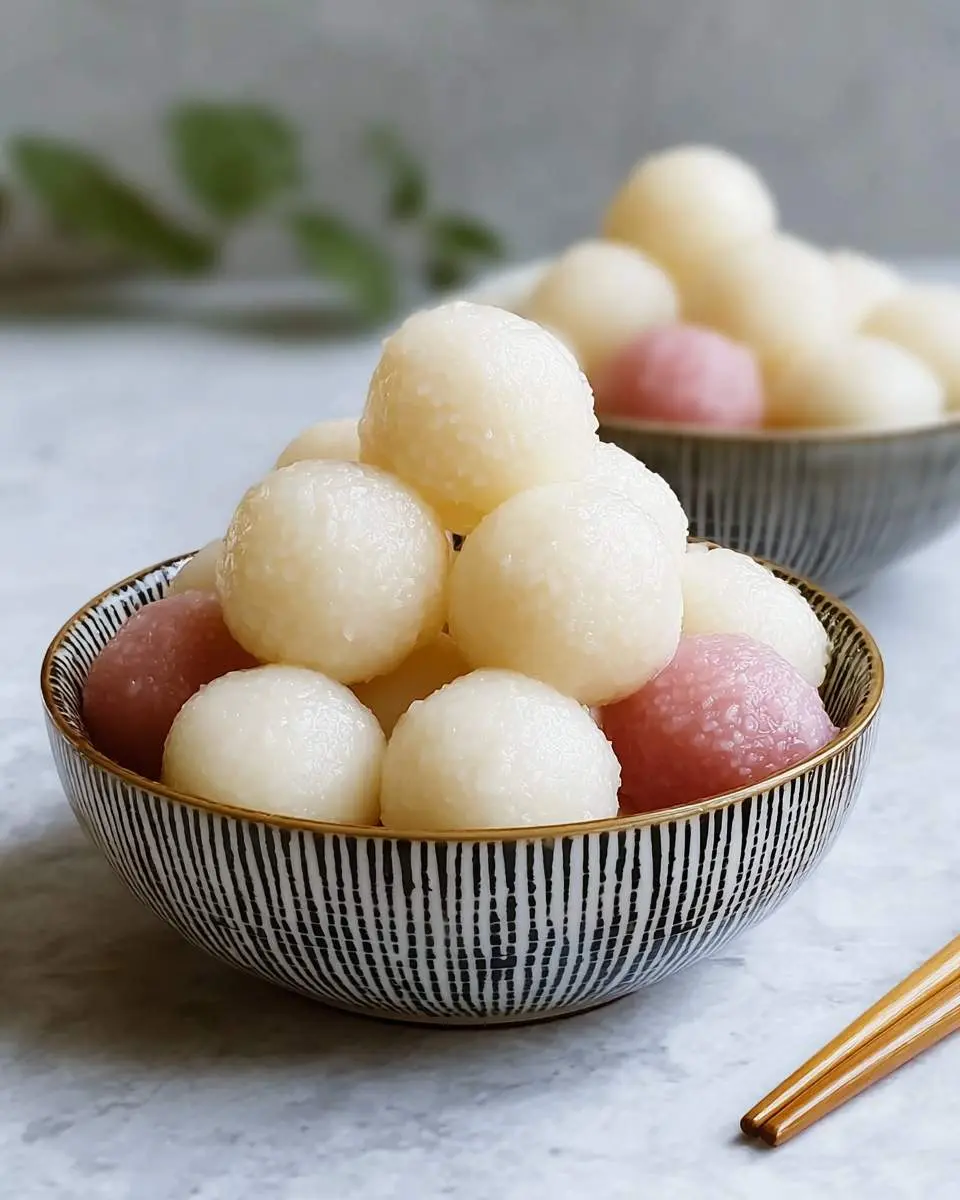

Glutinous Rice Balls (Tangyuan)
Ingredients
Equipment
Method
Notes
Conclusion
These glutinous rice balls have become more than a recipe to me. they’re a connection to memory, a meditation in dough, and genuinely one of my favorite things to share with friends. Don’t be discouraged if your first batch isn’t perfect; the learning curve is real but so worth climbing. For another no-bake treat that travels beautifully, try my coconut mango bliss balls. I’d love to hear about your own kitchen adventures with these.
Follow us on Social Media : Pinterest