
The smell of summer tomatoes hitting hot olive oil is something I wait for all year. Last August, I found myself with a counter full of heirloom tomatoes that were almost too ripe, and I remembered a trip to a tiny taverna in Santorini where I ate something crispy, herby, and completely unforgettable. Those Greek tomato fritters changed how I think about breakfast.
I have burned more fritters than I care to admit. The first batch I ever made dissolved into a sad, soupy mess because I did not understand how much moisture tomatoes actually hold. But the third time, something clicked. The edges turned golden and lacy, the centers stayed tender, and I ate four standing at the stove before they even made it to a plate.
This recipe has become my weekend ritual when I want something that feels special without requiring a trip to the store. If you are looking for another easy breakfast win, I make these spinach and artichoke dip cups when I need something that feeds a crowd without the fuss.
The Tomatoes and Herbs That Make This Dish Sing
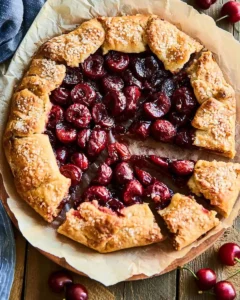
The tomatoes matter more than you think. I use the ripest, juiciest ones I can find, then salt them and let them drain for twenty minutes. That step feels tedious, but it is the difference between crisp fritters and tomato soup with flour. Fresh mint and dill are non-negotiable for me. Dried herbs disappear into the batter, but the fresh ones hit your nose before you even take a bite. A little crumbled feta adds salty pockets that make each bite interesting. If you are tomato-obsessed like I am, this tomato galette recipe is another way to celebrate peak season.

How to Make Greek Tomato Fritters
I start by squeezing the life out of those salted tomatoes. My hands get stained red, and the sink looks like a crime scene, but watching that excess liquid disappear is deeply satisfying. The batter comes together quickly after that. Flour, baking powder, herbs, feta, and the drained tomatoes get folded together until they just hold. I never overmix. The mixture should look shaggy, not smooth.
The oil needs to shimmer before the first spoonful hits the pan. I use a heavy skillet and medium heat, which sounds low but prevents the outside from burning before the inside cooks through. The fritters sizzle immediately, and I flatten them slightly with the back of my spoon. Three minutes per side, maybe four if they are thick. The smell of frying herbs fills my kitchen, and I always sneak one while the next batch cooks. For another breakfast that starts with a hot pan, these corn fritter breakfast sandwiches have become a regular rotation in my house.
What I Learned After Making These Ten Times
Do not skip the draining. I know twenty minutes feels long when you are hungry, but wet tomatoes steam instead of fry, and you end up with pale, soggy discs. The salt draws out moisture you did not know was there.
Let the batter rest. Ten minutes on the counter lets the flour hydrate and the flavors meld. The fritters hold together better and taste more cohesive.
Do not crowd the pan. I cook three at a time max. More than that drops the oil temperature, and you lose that crispy edge that makes these worth making.
My Secret Trick: I save a tablespoon of the tomato liquid and whisk it into my yogurt dipping sauce. It adds a subtle sweetness and ties the whole plate together.

How to Store Greek Tomato Fritters
- Refrigerate cooled fritters in an airtight container with parchment between layers for up to 3 days.
- Freeze individually on a baking sheet first, then transfer to a freezer bag for up to 2 months.
- Reheat from frozen in a 375°F oven for 12-15 minutes until crisp again.
- Avoid microwaving, which makes them rubbery and sad.
Why This Breakfast Actually Keeps Me Full
These Greek tomato fritters hit that rare balance of light and satisfying. The tomatoes bring vitamin C and natural sweetness, while the feta and flour add enough protein and complex carbs to carry me through a busy morning. I do not feel heavy after eating them, which is more than I can say for most breakfast pastries.

FAQs
Can I use canned tomatoes instead of fresh?
No, and I have tried. Canned tomatoes are too wet and already cooked, so they turn mushy in the batter. Fresh tomatoes hold their shape and give you that bright, summery flavor that makes these fritters special. Wait for good tomatoes or make something else.
Why do my fritters fall apart in the pan?
Your tomatoes were not drained enough, or your oil was not hot enough. Both problems make the batter absorb oil instead of setting quickly. Drain longer, pat the tomatoes dry with paper towels, and wait for that shimmer in your skillet before you start.
Can I make the batter ahead of time?
You can mix the dry ingredients and prep the tomatoes separately up to a day ahead, but do not combine them until you are ready to cook. The salt in the batter continues to draw moisture from the tomatoes, and you will end up with a watery mess by morning.
What should I serve with these fritters?
A simple yogurt sauce with lemon and garlic is my go-to. Sometimes I add a fried egg on top for protein, or a handful of arugula dressed with olive oil. Greek tomato fritters are versatile enough for breakfast, brunch, or a light dinner with a glass of white wine.


Greek Tomato Fritters
Ingredients
Equipment
Method
Notes
Conclusion
I hope you make a mess with these Greek tomato fritters and eat the first one too hot, burning your tongue slightly. That is how you know they are good. If you want another breakfast that feels like a treat without the guilt, try my high protein Greek yogurt bagels. They have that same satisfying chew with way less effort than traditional bagels.
Follow us on Social Media : Pinterest