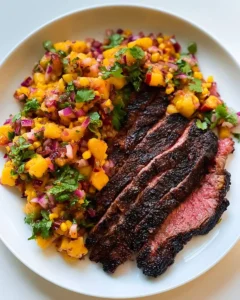

I remember the first time I tasted Thai Mango Sticky Rice. It was a humid evening in Bangkok, and the vibrant sweetness of the mango combined with the warm, rich coconut rice was an an absolute revelation. It wasn’t just a dessert; it was an experience that forever etched itself into my culinary memory.
Back home, I yearned for that specific taste, trying various versions, but nothing quite hit the mark. It became my personal mission to recreate that authentic magic, the kind that transports you straight back to a bustling Thai night market with every single bite.
After many delightful experiments, I finally cracked the code to making the perfect batch right in my own kitchen, and I can’t wait to share my journey with you on how to make this incredible dish at home. If you’re ready to dive into tropical flavors, you can find my full, detailed method here: my cherished mango sticky rice recipe.
What You Need to Make This Recipe
To truly capture the essence of an incredible Thai Mango Sticky Rice, you really only need a few stars to shine. The foundation is undoubtedly the sweet glutinous rice, often called sticky rice; it’s what gives this dessert its unique, satisfying chewiness and absorbs all that luscious coconut milk. Then, there are the mangoes themselves – choose incredibly ripe, fragrant ones like Ataulfo or Alphonso, as their natural sweetness is paramount and makes all the difference in the world. For more details on the exact measurements and other ingredients, be sure to check out my full ingredient list right here: mango sticky rice ingredients.

How to Make Thai Mango Sticky Rice
The process of making this beloved dessert is truly a meditative culinary journey. It begins with the gentle soaking of the glutinous rice, patiently preparing it to become tender and receptive to all the flavors. Next, we steam it until it transforms into these glossy, translucent grains, filling my kitchen with a comforting, earthy aroma.
The real magic happens when the warm rice meets the creamy, sweet coconut milk, stirred just so until every grain is infused with that tropical richness, turning from separate kernels into a cohesive, fragrant delight. To truly master the steps, I’ve laid out my complete process, including all the nuances and timing, in my detailed guide: my tried and true method.
Pro Tips
I’ve learned a few things along the way that elevate a good Thai Mango Sticky Rice to an absolutely unforgettable one.
- Pick the Right Mangoes: This is crucial; you want ripe, sweet, non-fibrous mangoes. Their natural sugar is what balances the rich coconut, so don’t skimp on quality or ripeness.
- Don’t Rush the Rice: Soaking your glutinous rice for at least 4-6 hours (or even overnight!) ensures it cooks evenly and achieves that perfect, tender-chewy consistency that is key to this dish.
- Balance the Coconut Sauce: The creamy sauce needs a pinch of salt to truly sing. It enhances the sweetness of both the mango and the rice, preventing it from tasting cloyingly sweet.
My Secret Trick: Always warm your mangoes slightly before serving. I simply let them sit at room temperature for a while, as a slightly warm mango releases more of its aromatic oils and deepens its flavor, pairing even better with the warm, sticky rice.

How to Store Thai Mango Sticky Rice
- For the best taste and texture, enjoy your mango sticky rice immediately after assembly.
- If you have leftovers, store the sticky rice and the mango slices separately in airtight containers in the refrigerator.
- The cooked sticky rice will last for up to 2-3 days in the fridge. Gently reheat it in the microwave with a splash of coconut milk or steam it to restore its texture.
- Fresh mango slices should be consumed within 1-2 days.
Nutritional Benefits
Beyond its incredible flavor, a serving of Thai Mango Sticky Rice offers some delightful nutritional upsides. The juicy mangoes are absolutely packed with Vitamin C and Vitamin A, giving you a wonderful boost of antioxidants and supporting immune health. While it’s a dessert, the glutinous rice provides quick energy, and the coconut milk, in moderation, offers healthy fats that can contribute to satiety.

FAQs
Can I use any type of rice for mango sticky rice?
No, you absolutely need sweet glutinous rice (also known as sticky rice or sticky rice for dessert). Regular rice varieties won’t achieve the signature sticky, chewy texture that is fundamental to this traditional Thai dessert. It’s the star of the show.
What kind of mangoes are best for this recipe?
For the most authentic and delicious result, I always recommend using very ripe, sweet, non-fibrous mangoes. Varieties like Ataulfo (honey mangoes), Alphonso, or Carabao mangoes are excellent choices, as their flesh is incredibly tender and flavorful.
How do I know when the sticky rice is perfectly cooked?
The sticky rice is done when the grains are translucent, plump, and have a soft, chewy texture. There shouldn’t be any hard or chalky centers. If it’s still a bit firm, you might need to steam it for a few more minutes.
Can I prepare components of this dish ahead of time?
Yes, you can! The sticky rice can be cooked and stored in an airtight container in the fridge for a couple of days. The coconut sauce can also be made ahead. However, for the freshest and best experience, slice your mangoes and assemble your Thai Mango Sticky Rice just before serving.


Thai Mango Sticky Rice
Ingredients
Equipment
Method
Notes
Conclusion
There’s something truly magical about the simplicity and balance of Thai Mango Sticky Rice. It’s a dish that continues to surprise and delight me, a little taste of tropical paradise right in my own kitchen. I truly hope you give this beautiful recipe a try and let it whisk you away to those vibrant Thai flavors. If you’re in the mood for another comforting sweet treat, you might also love my southern chocolate cobbler.