
The first time I tasted real Thai peanut sauce, I was sitting cross-legged on a bamboo mat in a tiny restaurant in Portland. The server set down a plate of cold spring rolls, and this glossy, fragrant sauce arrived in a small ceramic bowl. One dip and I was done for. creamy, tangy, slightly sweet, with that unmistakable funk of fish sauce and the gentle heat of ginger. I knew I had to learn how to make Thai peanut sauce at home, or I would spend the rest of my life chasing that flavor in restaurants.
My grandmother used to make peanut butter cookies that filled her whole house with warmth. This sauce reminds me of that same comfort, but turned savory and complex. I make it now when I need something that feels like a hug but still wakes up my palate. My kids dip vegetables in it. My husband drizzles it over grilled chicken. I eat it straight from the jar with a spoon when no one is looking.
This version came together after three years of tweaking. It is not authentic in the strictest sense, but it is honest and deeply satisfying. I have ruined batches with too much lime, made others that separated into oily messes, and finally landed here. If you are building a sauce collection, you might also love this vibrant Peruvian green sauce that lives in my fridge right now.
The Ingredients That Make This Sauce Sing
Natural peanut butter forms the backbone. not the sugary kind, but the kind that separates in the jar and requires stirring. The oils emulsify into something silky that processed peanut butter simply cannot achieve. Coconut milk thins everything to the right consistency while adding subtle sweetness, and fresh lime juice cuts through the richness with brightness that bottled juice never delivers. I add a spoonful of copycat Chick-fil-A sauce when I want extra tang, though that is my own quirk. Fish sauce seems scary until you taste how it deepens everything, adding savory complexity you cannot get from salt alone.

How to Make Thai peanut sauce
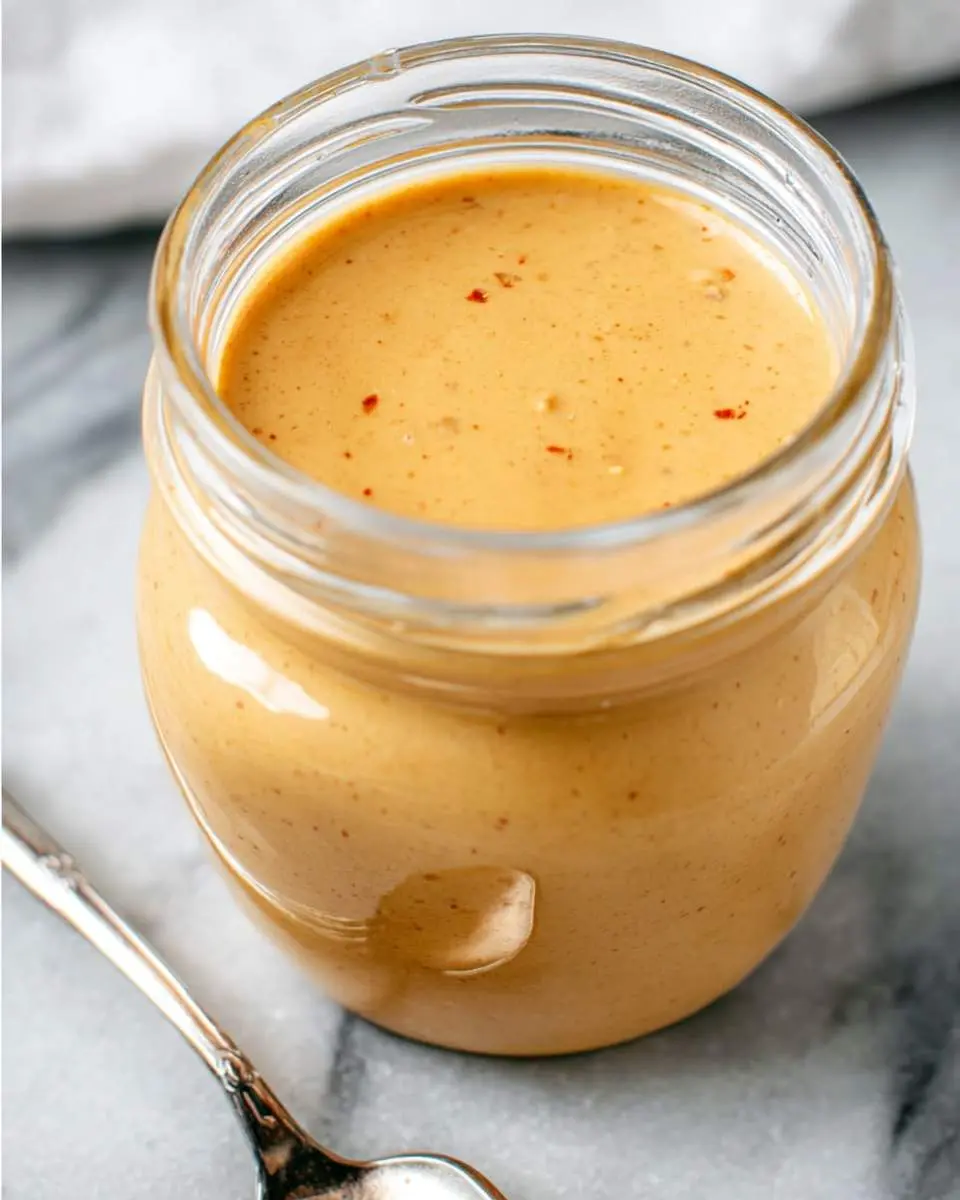
I start by whisking the peanut butter with warm coconut milk in a small saucepan over low heat. The mixture looks broken and strange at first, almost curdled, but patience transforms it. Within three minutes of gentle stirring, it smooths into something glossy that coats the back of a spoon. The smell of warming peanuts fills my kitchen, nutty and comforting.
Off the heat, I add everything else. The lime juice sizzles slightly when it hits the warm base. Minced garlic and grated ginger release their oils into the liquid, and the fish sauce hits last. that moment where the sauce suddenly tastes like something from a restaurant rather than from my own modest kitchen. I taste and adjust, usually adding more lime, sometimes a touch of honey if the peanut butter was especially bitter. The whole process takes ten minutes, and I often make it while whatever I am serving it with rests on the counter. For another creamy option that comes together quickly, try this creamy cilantro garlic sauce that I use on everything from tacos to roasted potatoes.
What I Learned From Three Failed Batches
My first attempt separated into an oily puddle because I used cold coconut milk straight from the fridge. Warming it slightly before adding prevents the shock that breaks the emulsion. The sauce needs gentle heat. never a rolling boil. or the proteins in the peanut butter tighten and turn grainy.
I once used roasted salted peanuts ground in my food processor, thinking fresher would be better. The texture was gritty and the salt level unpredictable. Natural creamy peanut butter from the jar gives consistent results every time.
The balance of acid matters more than I expected. Too much lime makes the sauce sharp and thin. Too little leaves it heavy and cloying. I add half the lime juice, taste, and build slowly.
My Secret Trick: I reserve a tablespoon of the thick coconut cream from the top of the can and stir it in at the very end, off heat. This adds luxurious body and a subtle sweetness that makes the Thai peanut sauce taste like it came from a kitchen with more skill than mine.
How to Store Thai peanut sauce
- Refrigerate in a glass jar with tight-fitting lid for up to 7 days
- Stir well before each use as natural separation occurs
- Freeze in ice cube trays for single portions, then transfer to freezer bag for up to 3 months
- Thaw frozen cubes overnight in refrigerator or gently in microwave on 50% power
- Do not reheat on stove once frozen and thawed. gentle stirring at room temperature restores consistency
Why This Sauce Belongs in Your Weekly Rotation
Peanuts bring protein and healthy fats that keep me satisfied, while fresh ginger and garlic offer compounds that support my immune system through cold season. The absence of refined sugar makes this Thai peanut sauce a choice I feel good about repeating. I make a double batch on Sundays and find myself reaching for it all week. drizzled over grain bowls, as dip for raw vegetables, thinned with water for salad dressing.

FAQs
Can I make this without fish sauce?
Yes, though the depth will change. I substitute soy sauce and a tiny pinch of miso paste when cooking for vegetarian friends. The umami is different but still satisfying. Coconut aminos work too, though reduce any added sweetener since they are naturally sweeter than fish sauce.
Why did my sauce turn out grainy?
Graininess happens when peanut butter proteins tighten from too much heat. Keep your burner on low and remove the pan as soon as the mixture smooths. If graininess occurs, blend briefly with an immersion blender off heat. this usually rescues the texture.
How spicy is this recipe?
As written, it is mild with just a whisper of heat from fresh ginger. I add sriracha or crushed red pepper when I want more kick. The beauty of Thai peanut sauce is its adaptability. make it fiery or keep it gentle depending on who is eating.
What is the best way to thin it for dressing?
Warm water works better than cold, which can cause separation. Add one tablespoon at a time, whisking vigorously, until you reach pourable consistency. For extra flavor, use the thin coconut milk liquid from the bottom of the can rather than plain water.


Thai Peanut Sauce
Ingredients
Equipment
Method
Notes
Conclusion
This Thai peanut sauce has earned its place in my permanent collection. It transforms ordinary weeknight dinners into something I actually look forward to eating. Make it once, and you will find yourself inventing reasons to dip things in it. For another versatile option with sweet heat, try this sweet chili sauce that pairs beautifully with the same dishes.
Follow us on Social Media : Pinterest